You’ve got that one rug. The one that looked incredible in the showroom, maybe even for the first year. Now it sits there, flattened in the high-traffic path, edges curling up like a bad toupee, holding onto every speck of dust and mystery smell that walks through the door. We see this all the time at Queens Carpets Cleaning. People call us, frustrated, thinking they need a full replacement. Nine times out of ten, they don’t. They just need a reset.
The problem isn’t that rugs wear out quickly. It’s that most of us treat them like furniture instead of what they actually are: a massive, floor-level air filter that also happens to be soft. We walk on it, drop food on it, let the dog sleep on it, and then wonder why it looks tired after two years. The good news is that a lot of that wear is reversible. Not with magic, but with a few practical habits that cost almost nothing.
Key Takeaways
- Most rug damage comes from trapped grit grinding fibers down, not from spills.
- Rotating your rug every six months prevents uneven fading and wear.
- Vacuuming technique matters more than frequency.
- Professional deep cleaning every 12–18 months extends rug life by years.
- Curling edges and fading are fixable without a professional in many cases.
The Real Reason Rugs Look Worn
We’ve walked into hundreds of homes in Queens, from pre-war co-ops in Forest Hills to newer condos in Long Island City. The same culprit shows up every time: dirt. Not the visible kind, but the microscopic, sharp-edged particles that get tracked in from the street. Think about what’s on a sidewalk in Astoria after a rainy day. Sand, grit, salt, tiny pebbles. That stuff lands on your rug, and every time you step on it, you’re essentially grinding sandpaper into the fibers.
Most people vacuum, sure. But they vacuum too quickly, or they use a machine with a dying belt, or they skip the low-traffic corners. The grit that stays behind is what causes that dull, matted look. It’s not the rug’s fault. It’s physics. We’ve seen wool rugs that looked ten years old after only two years in a home with heavy foot traffic and no doormat policy. The fix starts before you even touch a vacuum.
Vacuuming With Purpose
Here’s where most people mess up. They run the vacuum over the rug once, maybe twice, and call it done. That’s barely scratching the surface. A proper vacuum pass on a medium-pile rug should take about seven to ten seconds per square foot if you’re doing it right. Slow passes allow the brush roll to agitate the fibers and lift the grit.
We recommend a pattern: go north-south first, then east-west. This isn’t obsessive. It’s just covering the grain from both directions. If you have a beater bar, make sure it’s adjusted to the right height. Too low, and it slaps the rug and wears it out faster. Too high, and it does nothing. Most vacuums have a dial or a lever for this. Check your manual once. It matters.
One more thing: don’t forget the back side of the rug. If you have a reversible rug or a thin one, flip it over and vacuum the underside every few months. You’d be shocked how much dust settles through the backing and sits between the rug and the floor. That dust doesn’t just smell. It also traps moisture, which can lead to mold growth, especially in older homes with hardwood floors that don’t breathe well.
Rotating for Even Life
We’ve seen rugs where one side is practically new and the other side is threadbare. That’s not a defect. That’s a sunbeam. Direct sunlight breaks down dyes and fibers over time, and foot traffic concentrates wear in specific paths. The fix is embarrassingly simple: rotate your rug 180 degrees every six months.
If your rug is in a room with heavy sun exposure, like a living room with south-facing windows in Sunnyside, consider rotating it every three months during the summer. The UV damage is cumulative, and once those colors fade, they don’t come back. Rotating won’t reverse fading, but it will even it out so the whole rug ages gracefully instead of looking like a two-tone disaster.
Spot Cleaning Without Panic
Spills happen. The difference between a stain and a memory is how you react. We’ve had customers who poured red wine on a cream wool rug and immediately dumped a bottle of club soda on it, scrubbed furiously, and made a dime-sized spot into a dinner-plate-sized disaster. The instinct to scrub hard is wrong.
Here’s what we’ve learned from years of field work: blot, don’t scrub. Use a clean white cloth, press down firmly to absorb the liquid, and repeat until the cloth comes up clean. Then apply a small amount of mild dish soap mixed with water, blot again, and rinse with a damp cloth. If you have a synthetic rug, you can use a diluted white vinegar solution for most organic stains. For wool, skip the vinegar. It can damage the protein fibers over time.
The real pro tip is to test any cleaning solution on a hidden corner of the rug first. We’ve seen people ruin expensive rugs because they assumed a store-bought carpet cleaner was safe for all fibers. It’s not. Some of those products contain bleach or harsh enzymes that can eat through natural dyes. If you’re unsure, call a professional. A consultation is cheaper than a replacement.
Dealing With Furniture Dents
That heavy sofa that hasn’t moved in three years? It’s left a permanent impression. Or so it seems. Furniture dents are usually reversible if the fibers haven’t been crushed long enough to break. Place an ice cube directly on the dent and let it melt slowly. The moisture swells the fibers back up. Then fluff the area with a fork or a soft brush. It sounds ridiculous, but it works on most synthetic and wool rugs.
If the dent is deep and old, you might need to steam it. A handheld garment steamer held a few inches above the rug will relax the fibers without soaking the backing. Just don’t let the steam pool. Wet backing is a recipe for delamination, where the rug layers separate and bubble up. That’s a repair job that usually costs more than the rug is worth.
When Edges Start Curling
Curling corners are the bane of every rug owner’s existence. It’s a tripping hazard, it looks sloppy, and it tends to get worse over time. The cause is usually a combination of humidity changes and the rug’s natural tension. In Queens, where we get humid summers and dry winters from radiator heat, rugs expand and contract. That movement makes the edges curl.
A quick fix is to apply double-sided carpet tape to the underside of the curled edge and stick it to the floor. That holds it flat for a while. For a more permanent solution, you can sew a strip of heavy-duty carpet binding along the edge, or apply a rug gripper pad underneath that adds friction and weight. Avoid using liquid adhesives or glues on the backing. They often harden and crack, making the curling worse.
If the curling is happening along the entire perimeter of the rug, it might be a sign that the rug is too thin for the location or that the backing is failing. In that case, a professional rebinding service might be worth it, especially if the rug has sentimental or monetary value. A cheap rug with curling edges? Toss it. Don’t throw good money after bad.
The Deep Clean That Actually Matters
Surface cleaning only goes so far. Every 12 to 18 months, your rug needs a deep extraction cleaning that removes the embedded grit and oils that vacuuming can’t touch. This is where we see the biggest transformation at Queens Carpets Cleaning. Rugs that come in looking flat and lifeless leave looking like they just came off the loom.
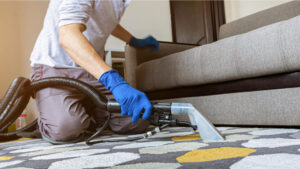
There are two main approaches: steam cleaning (hot water extraction) and dry cleaning. Steam cleaning is better for synthetic rugs and heavily soiled pieces. It uses hot water and a cleaning solution injected under pressure, then vacuumed out. The downside is drying time. A thick wool rug can take two days to dry fully, and if it doesn’t dry completely, you risk mold.
Dry cleaning uses a solvent-based foam or powder that is agitated into the fibers and then vacuumed out. It’s faster, gentler on natural fibers, and less risky for moisture-sensitive rugs. The trade-off is that it doesn’t penetrate as deeply. For most home rugs, a combination approach works best. Have a professional assess the fiber type and soil level before choosing the method.
Table: Maintenance Schedule for Common Rug Types
| Rug Material | Vacuum Frequency | Deep Clean Interval | Spot Cleaning Caution | Lifespan Expectancy |
|---|---|---|---|---|
| Wool | 2–3 times per week | Every 12 months | Avoid vinegar and bleach; use pH-neutral soap | 15–25 years |
| Synthetic (nylon, polyester) | 2 times per week | Every 18 months | Most cleaners safe; test in corner first | 8–15 years |
| Silk | Once per week (gentle suction only) | Every 24 months | Professional clean only; water can stain | 20–30 years |
| Jute/Sisal | Once per week (no beater bar) | Every 12 months | Blot only; water causes shrinkage | 3–7 years |
| Cotton (flatweave) | 2 times per week | Every 12 months | Machine washable if small; air dry only | 5–10 years |
When Professional Help Is Worth Every Penny
There’s a point where DIY stops being smart. If your rug has pet urine that has soaked through to the pad, no amount of home enzyme spray will fix the smell. The urine crystals crystallize and reactivate with humidity. A professional hot water extraction with a specialized enzyme treatment is the only way to fully remove the odor.
Same goes for smoke damage, heavy mold, or stains that have been set with heat (like from a space heater or iron). In those cases, the cost of professional cleaning is a fraction of the replacement cost. We’ve seen people in Jackson Heights try to scrub out a three-year-old coffee stain with every product from the drugstore, only to end up with a faded spot and a ruined texture. A professional can often salvage it in one pass.
Also, if you live in a building with strict rules about water usage, like many co-ops in Forest Hills, you might not have the ability to do a proper extraction without flooding your neighbor’s ceiling. That’s a real constraint. In those situations, hiring a company that uses low-moisture or dry cleaning methods is the smart move.
Common Mistakes We See Repeatedly
We could write a book on this, but here are the top three errors we encounter:
- Using too much soap. People think more detergent equals cleaner. It doesn’t. Residue attracts dirt like a magnet. Within weeks, the rug looks dirtier than before you cleaned it.
- Rubbing stains. We already covered this, but it bears repeating. Rubbing grinds the stain deeper into the fibers. Blotting lifts it out.
- Ignoring the pad. The rug pad is not optional. A good pad absorbs impact, prevents slipping, and extends rug life by reducing friction against the floor. Without one, your rug wears out twice as fast.
When Maintenance Isn’t Enough
Sometimes a rug is just done. If the backing is crumbling, the fibers are breaking off in clumps, or there are holes worn through the pile, no amount of maintenance will bring it back. That’s not a failure on your part. It’s just the natural lifespan of a textile that gets walked on every day.
In those cases, consider repurposing the rug. Cut it down into smaller runners for hallways or entryways where the wear is less intense. Or use it as a protective layer under a new rug. We’ve seen people turn old wool rugs into upholstery fabric for footstools. It’s not conventional, but it keeps the material out of a landfill.
The bottom line is that most rugs don’t die young. They get neglected. A few intentional habits—slow vacuuming, regular rotation, prompt blotting, and an annual deep clean—can double the life of a rug that cost you real money. And if you’re in Queens and the job feels too big, we’re just a call away. Sometimes the smartest maintenance trick is knowing when to hand it off.
People Also Ask
Bringing an old rug back to life starts with a thorough cleaning to remove deep-set dirt and dust. First, gently vacuum both sides to lift debris, then test a mild wool-safe cleaner on a hidden area. For stubborn stains, a mixture of white vinegar and water can help, but avoid soaking the rug to prevent mold. Professional cleaning is often the safest option for valuable or delicate rugs, as it uses specialized equipment to restore fibers without damage. At Queens Carpets Cleaning, we recommend regular rotation to ensure even wear and prevent fading from sunlight. After cleaning, consider using a rug pad to reduce friction and extend its life. With proper care, many old rugs can regain their original vibrancy and texture.
People sprinkle baking soda on carpet before vacuuming primarily to neutralize odors. Baking soda is a natural deodorizer that absorbs acidic smells from pets, food spills, and everyday traffic. It works by chemically interacting with odor particles, making them less volatile. For best results, let the baking soda sit for at least 15 minutes, or overnight for strong smells. While baking soda can help freshen fibers, it does not deep clean or remove dirt. For a truly thorough clean, professional services like those offered by Queens Carpets Cleaning use hot water extraction to remove trapped debris and allergens that baking soda alone cannot address.
To revive a tired carpet, start with a thorough vacuuming to lift embedded dirt and restore some fluffiness. For matted fibers, use a carpet rake or a stiff brush to gently separate and fluff the pile. A steam cleaning treatment can deeply extract trapped grime and revitalize the texture. For a fresh look, consider a professional deep clean, which is a service that Queens Carpets Cleaning can provide to restore vibrancy. Additionally, applying a carpet deodorizer and ensuring proper ventilation helps eliminate odors. Avoid over-wetting, as moisture can damage the backing. Regular maintenance, including prompt spot cleaning and periodic professional care, will extend the carpet's life and keep it looking renewed.
People sometimes put salt on their carpet as a natural cleaning agent. Salt can help absorb fresh liquid spills, such as red wine or coffee, by drawing the moisture out of the fibers before it sets. It also acts as a mild abrasive when scrubbed gently, which can loosen dirt and grime without harsh chemicals. Additionally, salt is sometimes used to deodorize carpets, as it can absorb odors. However, this method is not a substitute for professional deep cleaning. For thorough stain removal and to protect your carpet's fibers, Queens Carpets Cleaning recommends relying on specialized equipment and safe, effective solutions.