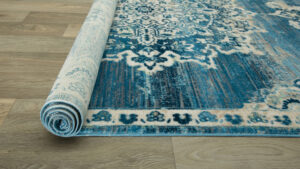
Ever looked at your rug and thought, “Wow, you’ve seen better days”? We get it. Our floors are the unsung heroes of our homes, taking the brunt of our daily chaos—from spilled merlot to muddy paw prints. And let’s be honest, when that beautiful Persian rug starts looking a bit dull, or the living room carpet develops a mysterious shadow, our first instinct is often to search for a “carpet cleaning service near me” and hope for the best. But here’s the thing: not all fibers are created equal, and treating them that way is a one-way ticket to a cleaning disaster. So, let’s have a real chat about what’s actually underfoot.
Getting to Know Your Rug’s Personality (Yes, Really)
Think of your rugs like people. A wool rug is that sturdy, reliable friend who can handle a lot but hates sudden shocks. A silk rug is the high-maintenance, dazzling diva that requires a gentle touch. If you treat them the same, someone’s going to get upset. Knowing what you own is half the battle in keeping it gorgeous for decades.
The Natural Fiber Crew
These are the classics, the ones with soul and a bit of an attitude.
- Wool Rugs: The ultimate all-rounder. Durable, soil-resistant, and naturally fire-retardant. But wool has a temper—it hates extreme pH levels and aggressive agitation. We always use mild, wool-specific solutions.
- Silk Rugs: The pinnacle of luxury. Delicate, luminous, and incredibly fragile. Water can cause permanent staining, and standard cleaning can destroy the fiber’s natural sheen. These require a specialist’s hand, an oriental rug cleaner with proven experience.
- Cotton Rugs: The casual, washable friend. Often used in flat-weaves and dhurries. They’re more forgiving but can shrink or bleed color if not handled properly.
- Persian & Oriental Rugs: Often a blend of wool and silk, or all wool. The value here is in the craftsmanship and dyes. The wrong cleaning method can cause dyes to run or the foundation to weaken. These aren’t just floor coverings; they’re heirlooms.
The Synthetic & Blended Bunch
Often more forgiving on the wallet, but they have their own quirks.
- Viscose Rugs: Also called “art silk,” and here’s the kicker—it’s a total trickster. It looks and feels like silk but is made from cellulose. And it has a villainous trait: it absorbs water like a sponge and becomes incredibly weak when wet. Many a homeowner has learned this the hard way after a well-meaning DIY clean turned their rug into a shredded mess. FYI, this is the number one rug we see damaged by improper cleaning.
Why the “One-Size-Fits-All” Clean is a Myth
So you rent a machine from the grocery store or hire the cheapest carpet cleaners you can find. What’s the worst that could happen? Let’s just say we’ve seen the fallout, and it’s not pretty. That standard carpet steam cleaning process, which involves a lot of moisture and harsh chemicals, can be a death sentence for delicate fibers.
For instance, a viscose rug will drink up that moisture, swell, and potentially never regain its original texture or strength. A silk rug‘s dyes might migrate, leaving you with a beautiful, but now blurry, piece of art. And even a sturdy wool rug can felt or shrink if the water is too hot or the agitation is too rough. This is why we never use a standard truck-mount on these precious items. Our process is tailored, starting with a thorough inspection and testing.
So, What Does a Professional Actually Do?
Glad you asked! When you call a true specialist, the process should look something like this. It’s not magic, it’s methodical care.
Step 1: The Diagnosis & Pre-Vac
We don’t just start spraying. We identify the fiber, check for colorfastness, and note any pre-existing conditions (like our own rug doctors). Then, a meticulous, gentle dry vacuuming removes all the dry soil that could turn into mud during cleaning.
Step 2: The Tailored Wash
This is where we part ways with the generic guys. We use controlled, minimal moisture and pH-balanced cleaning agents specifically chosen for your rug’s fiber type. For a Persian rug, that might mean a gentle hand-washing technique. For a sturdy wool rug, it might be a specialized low-moisture system.
Step 3: The Careful Dry-Down
This is critical. We never leave a sopping wet rug to fend for itself. Proper airflow and controlled drying in a climate-controlled space prevent mildew, browning, and fiber distortion. Rushing this step is where most DIY efforts fail spectacularly.
Your Quick-Reference Rug Care Guide
Keep this table handy. It’s like a cheat sheet for your floor’s best friends.
| Rug Fiber Type | Key Personality Trait | Biggest Cleaning Fear | Professional Method Required |
|---|---|---|---|
| Silk | Delicate Diva | Water staining, loss of sheen | Specialized hand cleaning, ultra-low moisture |
| Viscose | The Trickster | Water absorption, fiber weakening | Extreme low-moisture or dry cleaning methods |
| Wool | Sturdy Friend | Felting, shrinkage | Mild, wool-safe detergents, controlled moisture |
| Cotton | Casual & Washable | Color bleeding, shrinkage | Gentle washing, careful temperature control |
| Oriental/Persian | The Heirloom | Dye runoff, foundation damage | Expert assessment, often hand-cleaning |
Beyond the Rug: Your Whole Fabric Ecosystem
While we’re deep in the fiber weeds, let’s remember our rugs don’t live in a vacuum. They coordinate with our furniture, and our wall-to-wall carpets need love too! A comprehensive service should cover it all:
- Upholstery Cleaning: That sofa sees just as much action. A proper couch cleaning service uses similar fiber-specific logic.
- Residential Carpet Care: For your wall-to-wall, carpet steam cleaning (hot water extraction) is often the gold standard when done correctly—removing deep-down allergens and grime.
- Commercial Sprucing: For businesses, a commercial carpet cleaning service is about appearance, longevity, and health. We offer office carpet cleaning that works around your schedule to minimize disruption.
Let’s Talk About the Elephant in the Room: Cost
“Okay, this all sounds great,” you’re thinking, “but what’s the price?” IMO, framing it as a cost is looking at it backwards. It’s an investment. The cost of replacing a ruined silk rug is thousands. The price of a proper cleaning is a fraction of that, preserving its value and beauty.
We work hard at Queens Carpets Cleaning to keep our services affordable because everyone in Queens deserves a clean, healthy home without breaking the bank. We provide clear, upfront estimates because nobody likes surprise fees. When you get a quote from a carpet cleaning company, ask them why it’s priced that way. Their answer will tell you everything.
Your Top Rug Cleaning Questions, Answered
1. Can’t I just clean my expensive rug myself?
You can, but should you? For synthetics or low-pile cottons, a careful spot clean might work. For natural fibers, heirlooms, or anything you truly value, the risk is high. Without the right tools, solutions, and drying environment, you’re likely to set stains, cause shrinkage, or damage fibers. Sometimes, “saving” money ends up costing way more.
2. How often should I get my rugs professionally cleaned?
We recommend every 12-18 months for rugs in active living areas. This prevents deep-ground soil from cutting fibers (the main cause of wear) and manages allergens. In high-traffic homes or with light-colored rugs, you might need it more frequently. For your office carpet cleaning, a biannual schedule often makes sense.
3. What should I look for when choosing a rug cleaning service?
Don’t just pick the first “carpet cleaning service near me” result. Look for:
- Specifics on fiber handling. Do they mention silk, viscose, wool?
- Photos of past work, especially for oriental rug cleaner projects.
- A clear process that includes inspection, drying, and a guarantee.
- Transparent pricing. A trustworthy carpet cleaning company won’t give a firm quote without seeing the item.
And hey, if you’re in our neck of the woods, give Queens Carpets Cleaning a ring. We live here too, and we treat your treasured pieces like they’re our own. We geek out over fiber types and have the right tools for the job, whether it’s your heirloom Persian rug or the office carpet cleaning that needs a refresh.
So, the next time you gaze at your floor’s fabulous covering, you’ll see more than just a rug. You’ll see a unique blend of art and material that deserves specific care. Treat it right, and it’ll lay the foundation for your home’s beauty for years to come. And if you’re ever unsure, just ask a pro. We’re here to help :).
Related Articles
How Non‑Toxic Cleaners Protect Your Family, Pets, And Indoor Air
The Safety And Performance Of Eco‑Friendly Carpet-Cleaning Solutions
Carpet Cleaning Protocols That Help Allergy Sufferers Breathe Easier
The Allergist‑Recommended Approach To Carpet Cleaning And Indoor Health
The Science‑Backed Answer To Carpet‑Cleaning Frequency For Every Lifestyle
People Also Ask
Yes, Lysol can trigger an asthma attack in susceptible individuals. The strong chemical fumes and volatile organic compounds released by Lysol disinfectant sprays and wipes are known respiratory irritants. For someone with asthma, inhaling these particles can cause airway inflammation, bronchospasm, and sudden difficulty breathing. To minimize risk, always use Lysol in a well-ventilated area and avoid direct inhalation. For professional deep cleaning that prioritizes respiratory health, Queens Carpets Cleaning uses low-chemical methods and HEPA filtration to reduce airborne irritants. If you must use disinfectants, consider wearing a mask and stepping away immediately after application to allow fumes to dissipate.
To reduce asthma triggers in your home, focus on controlling dust mites, pet dander, and mold. Wash bedding weekly in hot water, use allergen-proof covers on pillows and mattresses, and keep humidity below 50 percent. Vacuum carpets and upholstery frequently with a HEPA-filtered vacuum cleaner. Remove shoes at the door and avoid smoking indoors. For deep carpet cleaning, professional steam cleaning every six months can eliminate trapped allergens. Queens Carpets Cleaning recommends scheduling these treatments to maintain a healthier indoor environment. Also, ensure proper ventilation in bathrooms and kitchens to prevent mold growth. Regularly replace HVAC filters and consider using an air purifier in bedrooms. These steps significantly lower airborne irritants.
Many common household factors can trigger asthma symptoms. Dust mites, which thrive in bedding, upholstery, and carpets, are a primary culprit. Pollen and pet dander tracked indoors also aggravate sensitive airways. Mold growth in damp areas like bathrooms or basements releases spores that are potent irritants. Volatile organic compounds from paints, cleaning products, or air fresheners can also cause reactions. To minimize these triggers, regular professional carpet cleaning is essential to remove deeply embedded allergens. At Queens Carpets Cleaning, we use high-temperature steam extraction to eliminate dust mites and pollutants, helping to create a healthier indoor environment. Additionally, using HEPA air filters and maintaining low indoor humidity can significantly reduce asthma flare-ups.
Yes, cleaning can trigger asthma if the wrong methods or products are used. Harsh chemical fumes, strong fragrances, and airborne dust stirred up during vacuuming or sweeping are common irritants. For those with respiratory sensitivities, it is critical to use hypoallergenic, fragrance-free cleaning agents and high-efficiency particulate air (HEPA) filter vacuums. A dry or aggressive cleaning technique can send allergens like pollen, pet dander, and dust mites back into the air, worsening symptoms. For a deeper understanding of how to clean safely, we recommend reading our internal article titled Carpet Cleaning Protocols That Help Allergy Sufferers Breathe Easier. At Queens Carpets Cleaning, we always use low-moisture, non-toxic methods designed to trap contaminants rather than spread them, helping to maintain a healthier indoor environment.
Using harsh cleaning products can indeed trigger asthma attacks due to volatile organic compounds (VOCs) and strong fragrances. For a safer environment, always opt for certified asthma- and allergy-friendly cleaning solutions. These products are formulated to minimize respiratory irritation. Additionally, proper ventilation during and after cleaning is crucial to disperse any airborne particles. At Queens Carpets Cleaning, we prioritize your health by using low-VOC, non-toxic methods. For deeper insights, we recommend reading our internal article titled Carpet Cleaning Protocols That Help Allergy Sufferers Breathe Easier. This guide details specific protocols that help reduce allergens and irritants, making your indoor air significantly cleaner and safer for sensitive lungs.
To prevent asthma attacks at night, it is important to maintain a clean sleeping environment. Dust mites, pet dander, and mold are common triggers that accumulate in bedding and carpets. Washing sheets weekly in hot water and using allergen-proof covers on pillows and mattresses can help reduce exposure. Keeping humidity levels between 30 and 50 percent discourages mold growth. Vacuuming carpets and upholstery regularly with a HEPA filter is also beneficial. For thorough removal of embedded allergens from carpets, professional deep cleaning by a service like Queens Carpets Cleaning can make a noticeable difference. Additionally, avoid sleeping with pets in the bedroom and keep windows closed during high pollen seasons. Following a consistent medication routine as prescribed by your doctor is also essential for nighttime symptom control.
Managing asthma triggers effectively involves controlling indoor air quality and reducing allergens. Carpets can trap dust mites, pet dander, and pollen, which are common triggers. Regular deep cleaning is essential; vacuuming with a HEPA filter helps remove these particles. Professional steam cleaning every few months can eliminate deeply embedded irritants. At Queens Carpets Cleaning, we recommend using hypoallergenic cleaning products to avoid chemical sensitivities. Additionally, maintaining low indoor humidity below 50 percent prevents mold growth, another asthma trigger. Washing bedding in hot water weekly and using allergen-proof covers also reduces exposure. For best results, combine these practices with routine carpet maintenance to create a healthier home environment for asthma sufferers.