If you or a family member suffer from asthma or persistent indoor allergies, managing your home environment is a daily priority. Many homeowners assume that ripping out carpets is the only solution, but proper professional hot water extraction protocols actually turn your flooring into an effective particle trap. At Queens Carpets Cleaning, we help residents across Queens, NY maintain healthier indoor spaces by neutralizing trapped allergens safely and completely.
Understanding How Carpets Act as Indoor Air Filters
Indoor dust, pollen, pet dander, and microscopic mold spores constantly drift through our living spaces. Instead of floating endlessly in the air you breathe, these particulate matters settle downward and get caught within the textile fibers of your carpet.
Think of your carpet as a large, flat air filter sitting on your floor. When maintained correctly via guidelines outlined by organizations like the Environmental Protection Agency, it holds onto dust until you extract it. Problems only arise when those trapped particles accumulate past capacity, turning the carpet into a reservoir of triggers that become airborne during heavy foot traffic.
Common Allergic Triggers Trapped in Fibers
- Dust Mites: Microscopic arachnids that feed on shed human skin scales, thriving deep within warm, dense carpet backing.
- Pet Dander: Tiny protein flakes from cats and dogs that easily bypass standard domestic vacuums due to their static cling.
- Pollen Particles: Outdoor allergens tracked in on shoes that settle into low-pile and high-pile fibers alike.
- Mold Spores: Fungal fragments that grow rapidly if humidity levels rise unchecked within localized flooring sections.
Why Standard Vacuuming Fails Allergy Sufferers
Standard upright vacuums equipped with basic bags or worn-out filters often miss microscopic allergens while blowing fine dust back into the room air. If your vacuum lacks sealed internal filtration, it acts as an atomizer, kicking settled proteins right into your breathing zone.
To achieve true relief, your cleaning routine must move beyond surface dust. True allergen mitigation requires thermal energy, controlled fluid dynamics, and powerful suction to pull deeply embedded organic waste out of the primary backing layers.
The Professional Hot Water Extraction Protocol
When allergy sufferers need real relief, we rely on a rigorous multi-step extraction protocol designed to neutralize proteins rather than just push them around. Independent laboratory studies confirm that deep extraction significantly lowers airborne allergen concentrations.
| Cleaning Method | Dust Mite Removal Rate | Dander Extraction Efficacy | Moisture Control Risk |
|---|---|---|---|
| Standard Dry Vacuuming | Low (Under thirty percent) | Minimal | None |
| DIY Rental Machine | Moderate (Fifty to sixty percent) | Fair | High (Over-wetting risk) |
| Professional Hot Water Extraction | High (Ninety percent or greater) | Excellent | Low (Controlled via high-psi vacuum recovery) |
Step-by-Step Allergy Extraction Methodology
- High-Efficiency Particulate Air Pre-Vacuuming: We capture loose surface debris using industrial vacuums equipped with multi-stage filtration to prevent fine particulate discharge.
- Targeted Pre-Conditioning: We apply specialized, hypoallergenic cleaning solutions that break the molecular bond holding organic soils and pet proteins to textile fibers.
- Mechanical Agitation: Counter-rotating brushes gently lift the pile, ensuring the solution surrounds every individual strand without driving contaminants deeper.
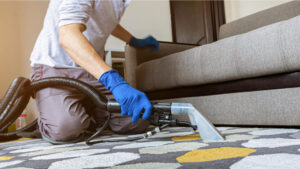
- Controlled Hot Water Extraction: High-temperature pressurized water flushes the loosened debris, which is immediately sucked away by high-powered vacuum extraction wands.
- Rapid Air-Mover Drying: We deploy high-velocity industrial fans to eliminate residual moisture within hours, preventing any chance of mold germination.
Comparing Flooring Options for Allergic Households
Choosing the right flooring for an allergy-prone household often sparks debate. The following breakdown highlights how different surfaces stack up against everyday indoor triggers.
- Carpeting with Professional Maintenance: Acts as a passive trap that holds dust down until extraction removes it. Safe for sensitive immune systems when cleaned on a strict schedule.
- Hardwood Flooring: Does not trap dust, meaning foot traffic causes particles to billow straight up into the air column repeatedly. Requires multiple daily damp-moppings to keep air clear.
- Tile and Vinyl: Easy to sanitize, but grout lines and textured edges can accumulate organic films that harbor bacterial growth if ignored.
Maintaining Allergen Control Between Professional Cleanings
Professional extraction provides a clean slate, but daily habits determine how long that relief lasts. Implementing structured maintenance habits keeps indoor air quality stable year-round.
- Upgrade Home Filtration: Use vacuums certified by organizations such as the Asthma and Allergy Foundation of America to ensure exhaust air is thoroughly scrubbed.
- Control Indoor Humidity: Keep relative humidity levels below fifty percent using air conditioning or dehumidifiers to stop dust mites and mold from multiplying.
- Establish a Footwear Policy: Implement a strict no-shoes rule at the entryway to cut down on outdoor pollen and chemical residue tracking.
- Schedule Routine Deep Cleans: Arrange for professional hot water extraction every six to twelve months, especially if you share your home with shedding pets.
Frequently Asked Questions
Can professional carpet cleaning completely cure my allergies?
While professional cleaning cannot cure an underlying medical allergy condition, it dramatically reduces the concentration of indoor triggers like dust mites and pet dander. Removing these localized triggers minimizes everyday symptom flare-ups inside your home.
How often should allergy sufferers have their carpets cleaned?
For households with severe asthma or allergy sensitivities, we recommend scheduling professional hot water extraction every six months. Homes with moderate traffic or hypoallergenic pets can maintain healthy air quality with cleanings every nine to twelve months.
Does steam cleaning risk causing mold growth in my home?
Amateur rental machines often leave behind excessive moisture that breeds mold, but professional systems utilize high-powered extraction motors and rapid air-movers. This ensures carpets dry completely within hours, neutralizing the risk of fungal growth.
Are the cleaning solutions safe for children and pets?
Yes. Modern allergy-focused cleaning protocols rely on non-toxic, residue-free formulas that break down organic proteins safely without leaving behind harsh chemical scents or volatile organic compounds.
Sources
- Environmental Protection Agency (EPA) – Indoor Air Quality Guidelines and Health Standards
- Asthma and Allergy Foundation of America (AAFA) – Indoor Environment Management Strategies
- Carpet and Rug Institute (CRI) – Studies on Domestic Allergen Levels and Hot Water Extraction Efficacy
- Independent Biomedical Research Group (Airmid Healthgroup) – Particle Retention and Airborne Allergen Studies
Related Articles
Best Methods To Turn Your Carpet Into An Allergen Free Zone
The Science‑Backed Answer To Carpet‑Cleaning Frequency For Every Lifestyle
Why Steam Cleaning Is The Gold Standard For Reducing Indoor Allergens
An Allergy‑Focused Carpet‑Care Routine For A Healthier Living Space
People Also Ask
Yes, professional carpet cleaning is highly effective for allergy relief. Carpets act as a filter, trapping dust mites, pet dander, pollen, and mold spores deep within the fibers. Standard vacuuming only removes surface debris, leaving these microscopic allergens to recirculate into the air you breathe. A professional hot water extraction method, which uses high-temperature steam and powerful suction, penetrates deep to flush out these irritants and neutralize bacteria. This process significantly reduces airborne allergen levels, providing noticeable relief for sufferers. For a thorough, long-lasting solution, follow the best practices outlined in our internal article titled Best Methods To Turn Your Carpet Into An Allergen Free Zone. At Queens Carpets Cleaning, we recommend scheduling a deep clean every 3 to 6 months to maintain an allergen-free environment, especially during peak allergy seasons.
To make breathing easier with allergies, focus on reducing indoor triggers and improving air quality. Start by vacuuming carpets and rugs weekly with a HEPA-filter vacuum to capture dust mites, pollen, and pet dander that settle deep in fibers. Wash bedding in hot water (above 130°F) and use allergen-proof covers for pillows and mattresses. Maintain humidity between 30-50% using a dehumidifier to prevent mold and dust mite growth. Also, keep windows closed during high pollen days and use an air purifier with a HEPA filter in your bedroom. For persistent issues, consider professional deep cleaning of carpets and upholstery, as steam extraction removes embedded allergens that regular vacuuming misses. For a thorough approach, our internal article titled Effective Techniques To Minimize Dust Mites, Pollen, And Pet Dander In Carpets provides effective, step-by-step methods to minimize these specific irritants in your home. At Queens Carpets Cleaning, we recommend scheduling a professional cleaning every 6-12 months to significantly reduce allergen load and support easier breathing.
Yes, there are specific carpet cleaning methods and products designed for allergy sufferers. The key is to use a hot water extraction system, often called steam cleaning, which removes deep-seated allergens like dust mites, pet dander, and pollen. However, the cleaning solution matters just as much. Look for hypoallergenic, fragrance-free, and non-toxic detergents to avoid triggering sensitivities. At Queens Carpets Cleaning, we recommend scheduling a professional deep clean every three to six months to significantly reduce allergen buildup. For a thorough breakdown of techniques, timing, and product choices, please refer to our internal article titled 'Frequently Asked Carpet-Cleaning Questions Answered In Plain Language' via Frequently Asked Carpet-Cleaning Questions Answered In Plain Language. This guide will help you maintain a healthier indoor environment.
To minimize allergens, vacuum at least twice a week using a HEPA-filter vacuum to capture dust mites, pet dander, and pollen trapped deep in the fibers. For a deeper clean, steam cleaning every three to six months is essential, as hot water extraction removes embedded irritants that regular vacuuming misses. Always ensure the carpet dries fully within 24 hours to prevent mold and mildew growth, which are major allergy triggers. Use hypoallergenic, fragrance-free cleaning solutions to avoid chemical sensitivities. For professional results, consider a service like Queens Carpets Cleaning, which uses industrial-grade equipment. For a seasonal guide on reducing allergens, refer to our internal article titled Spring Allergy Defense: Carpet Cleaning Essentials. Regular maintenance and prompt spill cleanup are your best defenses against allergy flare-ups.
For allergy sufferers, the most effective carpet cleaning protocol begins with frequent, high-quality vacuuming using a HEPA-filter vacuum at least twice a week. This removes surface allergens like dust mites and pet dander before they settle deep into the fibers. Next, schedule a professional hot water extraction (steam cleaning) every 3 to 6 months, as this method flushes out embedded pollutants that regular vacuuming misses. It is crucial to ensure the carpet dries completely within 24 hours to prevent mold and mildew growth, which are major allergy triggers. Additionally, using a dehumidifier and maintaining proper indoor ventilation significantly reduces airborne particles. For a comprehensive strategy, our internal article titled 'Best Methods To Turn Your Carpet Into An Allergen Free Zone' is available at Best Methods To Turn Your Carpet Into An Allergen Free Zone. At Queens Carpets Cleaning, we recommend these protocols to create a healthier indoor environment, ensuring your carpets contribute to cleaner air rather than detracting from it.
To stop allergies immediately and naturally, the first step is to remove the trigger from your environment. Rinse your nasal passages with a saline solution using a neti pot or squeeze bottle; this physically flushes out pollen, dust, and irritants. For a quick relief, apply a cold, damp cloth over your eyes and sinuses to reduce swelling and soothe itchiness. Steam inhalation from a hot shower can also break up congestion and moisturize irritated airways. Additionally, drinking a strong cup of green tea, which contains natural antihistamines like quercetin, can help calm the reaction. While these methods offer fast comfort, for persistent issues, professional deep cleaning of your home’s carpets and upholstery—like the service provided by Queens Carpets Cleaning—removes trapped allergens at the source, preventing future flare-ups.
To effectively get rid of carpet allergies, start by vacuuming at least twice a week using a HEPA-filter vacuum to trap dust mites, pet dander, and pollen. Steam cleaning every three to six months is crucial, as high heat kills dust mites and removes deep-set allergens. Additionally, control humidity below 50% with a dehumidifier, and use allergen-proof covers on mattresses. For persistent issues, consider a professional deep cleaning service. At Queens Carpets Cleaning, we recommend a multi-step approach that includes a hot water extraction method. For a comprehensive guide, refer to our internal article titled 'Best Methods To Turn Your Carpet Into An Allergen Free Zone' at Best Methods To Turn Your Carpet Into An Allergen Free Zone. This resource details preventative measures and advanced cleaning techniques to ensure your home remains comfortable and sneeze-free.