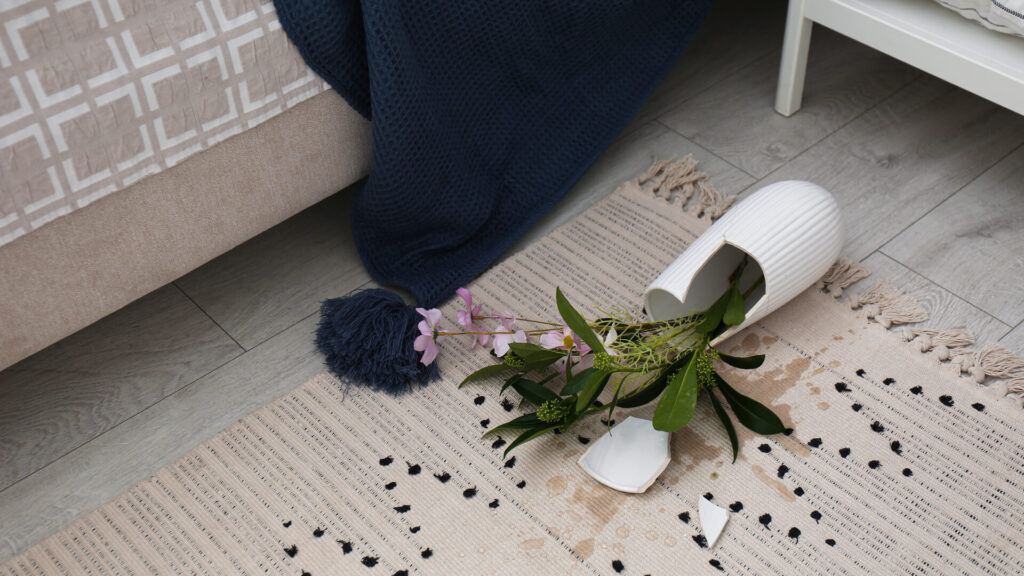
Ever looked at your rug and thought, “Wow, you’ve seen better days”? We get it. As fellow Queens residents who’ve made a career out of reviving floors, we’ve seen it all—from the triumphant red wine spill to the mysterious, crunchy patch the kids swear they know nothing about. Choosing the right rug isn’t just about color swatches; it’s about knowing how to care for your investment so it lasts for decades. And trust us, the cleaning part? That’s where the real magic happens.
Getting to Know Your Rug’s Material (It’s a Big Deal)
Think of your rug’s fiber like its personality. Some are tough and resilient, others are divas that need a gentle touch. Using the wrong cleaning method is like using a chainsaw for delicate surgery—it just ends in tears. And possibly a ruined heirloom.
Here’s the lowdown on the most common types we handle every day:
- Wool Rugs: The reliable best friend. Wool is naturally stain-resistant, durable, and loves a good, professional carpet steam cleaning method. It bounces back beautifully. Most Persian and oriental rug classics are wool, and for good reason.
- Silk Rugs: The high-maintenance superstar. Gorgeous, luxurious, and incredibly delicate. Water can spot it, agitation can ruin the pile, and harsh chemicals are a nightmare. Silk rug cleaning is a job for true specialists—like the team at our Queens carpet cleaning company—because one wrong move is, well, permanent.
- Viscose/Rayon Rugs: The ultimate deceiver. They look and feel like silk (seriously, it’s sneaky), but they’re made from plant cellulose. Here’s the kicker: they absorb water like a sponge and become incredibly weak when wet. A standard shampoo can destroy a viscose rug. We treat these with kid gloves and a very specific, low-moisture process.
- Cotton Rugs: The easy-going, washable friend. Think flat-weaves, dhurries, and kilims. Cotton rugs are generally more forgiving and can often handle a gentler machine wash, but for larger or antique versions, professional care still prevents fading and distortion.
- Synthetic Rugs (Nylon, Polyester, Olefin): The durable, affordable workhorses. These are built for modern life—great stain resistance, colorfast, and they respond very well to most cleaning methods. Perfect for busy homes and office carpet cleaning needs.
Why “Clean It Yourself” is a Slippery Slope
We know the temptation. Rent a machine from the big-box store, buy a jug of solution, and go to town. What’s the worst that could happen? Let’s just say we’ve made a good portion of our business from “DIY gone wrong” rescues.
The biggest culprit? Over-wetting. Those rental machines are fantastic at putting water in, but they’re pathetic at getting it out. Leftover moisture seeps into the backing, into your floors, and hello, mold and mildew. That faint, musty smell a week later? That’s your rug rotting from the inside out. Not so affordable now, is it?
Then there’s residue. Most store-bought detergents leave a sticky film that actually attracts more dirt. You clean it on Saturday, and by Thursday, it looks dirtier than before. Ironic, right?
And for specialty rugs? Forget it. Putting a silk rug or a delicate antique through a DIY washer is basically a death sentence. The cost of repairing that damage will make your head spin.
What a Real Professional Rug Cleaning Service Actually Does
So, what do you get when you call a pro like Queens Carpets Cleaning? It’s not just a more powerful vacuum. It’s a whole system.
First, we play detective. We identify the fiber and construction. Then, the real work begins. For most rugs, especially delicate ones, we skip the heavy soaking and use a controlled, low-moisture cleaning system. It’s like a precision bath for your rug—it gets deeply clean without the swampy aftermath.
Here’s a quick comparison of why the pro approach wins every time:
| Factor | DIY Rental Machine | Professional Service (Like Ours!) |
|---|---|---|
| Drying Time | 24-48+ hours (risk of mold) | 4-12 hours (proper extraction) |
| Residue | High (attracts dirt) | None (proper rinsing agents) |
| Fiber Safety | One-size-fits-all (risky) | Tailored to wool, silk, viscose, etc. |
| Stain Removal | Surface-level, often sets stains | Deep, targeted treatment with professional-grade solutions |
| End Result | Often damp, sticky, and quickly re-soiled | Deeply clean, fresh, and protected for longer |
For wall-to-wall carpet, our carpet steam cleaning (which is actually hot water extraction, FYI) uses truck-mounted power to flush and extract grime you didn’t even know was there. It’s the gold standard for a reason.
And let’s not forget the extras! A true full-service carpet cleaning company doesn’t stop at the floor. We offer upholstery cleaning and couch cleaning service because, let’s be honest, your sofa sees just as much action as your rug. And for our local businesses, a commercial carpet cleaning service isn’t a luxury—it’s essential for your image and your employees’ health.
When to Search “Oriental Rug Cleaner Near Me” (And What to Ask)
Not all heroes wear capes, and not all carpet cleaners are created equal. When that precious heirloom needs help, your search for an “oriental rug cleaner near me” needs to be specific.
Here are the non-negotiable questions to ask:
- “Do you have a dedicated facility for hand-cleaning rugs?” If they only do in-home cleaning for fine rugs, say thank you and hang up. Delicate rugs need a controlled environment.
- “What is your process for cleaning a silk or viscose rug?” If they say “the same as all the others,” run. Fast.
- “Can you provide references or examples of similar rugs you’ve cleaned?” Any reputable pro will have a portfolio.
This is where we humbly toot our own horn. At Queens Carpents Cleaning, our rug cleaning service includes a state-of-the-art facility right here in Queens where we gently hand-clean and air-dry your treasured pieces. We don’t cut corners because we’re enthusiasts, too. We geek out over a perfect Persian knot.
Your Rug Care Cheat Sheet Between Professional Visits
We’re not saying you should never touch your rug until we arrive. Proper maintenance stretches the time between cleanings and keeps your rug looking sharp.
- Vacuum, Vacuum, Vacuum: Seriously. It’s the single best thing you can do. Without a beater bar for delicate rugs, please! That agitator can shred fragile fibers.
- Blot, Never Rub: Spill happens. Immediately press a clean, white cloth onto the stain to absorb it. Rubbing is a one-way ticket to spreading the stain and damaging the pile.
- Rotate Your Rug: Do this every 6-12 months to ensure even wear from sunlight and foot traffic. Your rug will age gracefully.
- Use a Quality Pad: It provides cushion, prevents slipping, and creates a barrier against floor moisture. It’s a cheap insurance policy.
Answering Your Big Rug Cleaning Questions
1. “How often should I really get my rugs professionally cleaned?”
IMO, it depends on your life. A busy family with pets and a front-door rug? Every 12-18 months. A low-traffic bedroom wool rug? Maybe every 2-3 years. A delicate silk rug in a formal room? Still, every 2-3 years to prevent dry soil from cutting the fibers. The price of regular maintenance is always less than the cost of a major restoration.
2. “Is professional cleaning worth it for my inexpensive rug?”
Absolutely. Even an affordable rug is an investment in your home’s comfort and style. Professional cleaning removes allergens, bacteria, and ground-in dirt that a vacuum can’t touch. It makes any rug look brighter, feel better, and last longer. Why replace it when you can revive it?
3. “Can you get out ANY stain?”
We wish! We’re good, but we’re not magicians. The success rate depends on the stain (pet urine, red wine, ink) and, crucially, how quickly you act. Old, set stains or ones that have been treated with the wrong store product are a huge challenge. Always call a pro ASAP after a spill for your best shot.
So, there you have it. Loving your rug means understanding it and giving it the care it deserves. It’s about more than just searching for a “carpet cleaning service near me”—it’s about finding a partner who gets it. Whether it’s saving your favorite wool rug from a pet accident or giving your office carpet a fresh start, we built Queens Carpets Cleaning to be that resource for our neighbors. Because in the end, your floors are the foundation of your home. Let’s keep them feeling fantastic.
Related Articles
The Bi‑Annual Deep‑Cleaning Regimen That Extends Carpet Life
How To Prep Your Home’s Carpets For The Colder Months Ahead
Queens’ Most Common Carpet Cleaning Questions
Optimal Carpet Cleaning Frequency: Seasonal Vs Annual Schedules For Every Household
People Also Ask
Yes, you can wash many carpet stair treads in a washing machine, but it depends entirely on the material and construction. Most rubber-backed or non-slip treads are machine washable on a gentle cycle with cold water. However, treads with a thick foam backing or those that are glued onto the stairs should never go in a machine, as the agitation can ruin the backing. Always check the manufacturer's label first. For best results, air dry the treads after washing to prevent shrinking or damage. At Queens Carpets Cleaning, we recommend this method for simple fabric treads, but for deep-set stains or delicate materials, professional cleaning is a safer choice to extend their life.
To wash a staircase carpet, start by thoroughly vacuuming each step, including the risers and corners, to remove loose dirt and debris. For a deep clean, prepare a solution of warm water and a mild carpet shampoo or a mixture of white vinegar and water. Using a stiff brush or a sponge, gently scrub the carpet on each step, working from the top down to avoid dripping onto already cleaned areas. Blot excess moisture with a clean, dry cloth. For heavily soiled stairs, a steam cleaner or a specialized carpet cleaning machine can be effective. At Queens Carpets Cleaning, we recommend testing any cleaning solution on a hidden area first to prevent discoloration. Allow the carpet to dry completely before use, and ensure proper ventilation to speed up the process. Regular maintenance, like immediate spot cleaning, will extend the life of your staircase carpet.
To keep carpeted stairs clean, place durable runner rugs or stair treads over high-traffic areas. These removable covers trap dirt and can be laundered regularly. Use doormats at the top and bottom of the staircase to reduce tracked-in soil. For daily care, vacuum each step thoroughly, paying attention to the nose of the tread where debris collects. Keep a small handheld vacuum nearby for quick cleanups. Encourage family members to remove shoes before climbing. For spills, blot immediately with a clean cloth and mild detergent solution. Professional deep cleaning every 12 to 18 months removes embedded grit that wears fibers. Queens Carpets Cleaning recommends following a consistent routine, and you can find helpful tips in our guide Practical Ways To Stick To A Carpet Maintenance Schedule All Year to maintain results all year.
Common stair carpeting mistakes often include improper measuring, which leads to wasted material and mismatched patterns. Another frequent error is failing to use a high-quality, dense carpet, as stairs endure heavy foot traffic and require durable fibers. Many homeowners also neglect to install a proper underpad, causing premature wear and reduced comfort. Additionally, incorrect stretching can create loose areas that become tripping hazards. Poor seam placement on visible steps detracts from the overall look. At Queens Carpets Cleaning, we advise always hiring a professional for stair installations to avoid these pitfalls. Properly secured carpet edges and consistent tension are essential for safety and longevity, ensuring your stairs remain both beautiful and functional for years.
Cleaning carpeted stairs without a machine is entirely possible with the right technique. Start by thoroughly vacuuming each step, using a brush attachment to reach the corners and the riser where the tread meets the vertical surface. For spot cleaning, mix a solution of warm water and a small amount of mild dish soap. Dampen a clean microfiber cloth with the solution, blot the stain gently, and then blot again with a dry cloth to absorb moisture. For a deeper clean, create a paste of baking soda and water, apply it to the carpet, let it dry, and then vacuum it up. This method helps lift embedded dirt and deodorize. For tough stains, a mixture of white vinegar and water can be very effective. Always test any cleaning solution on a hidden area first. At Queens Carpets Cleaning, we recommend this manual approach for small areas, but for a whole staircase, professional steam cleaning is often more efficient.
For maintaining Shaw carpet, the best approach is a combination of regular vacuuming and professional deep cleaning. While many homeowners attempt spot-cleaning with store-bought solutions, these can often leave residues that attract more dirt. For optimal care, we recommend a bi-annual deep-cleaning regimen. Our team at Queens Carpets Cleaning frequently advises clients to follow a structured schedule. You can find the complete details in our internal article titled The Bi‑Annual Deep‑Cleaning Regimen That Extends Carpet Life, which outlines the specific steps for preserving the texture and color of your Shaw carpet. This process helps remove embedded soil and allergens, ensuring your investment lasts longer and looks better.