We get it. You vacuum twice a week, maybe even three times. You bought that expensive machine with the HEPA filter. And yet, somehow, those carpets still look… tired. Dingy in the high-traffic paths, maybe a little sad near the doorways. You spot a stain you don’t even remember happening. It’s frustrating because you’re doing the work, but the results aren’t matching the effort.
The truth is, most of us are fighting a losing battle with our carpets because we’re using the wrong strategy. We treat them like hardwood floors that happen to be fuzzy. But carpet is a filter. It traps everything—dust, pollen, pet dander, dead skin cells, and the occasional spilled coffee. The goal isn’t just to make it look clean; it’s to actually remove what’s trapped deep in the fibers. And that requires a completely different approach than what the cleaning product aisle wants you to believe.
Key Takeaways
- Vacuuming is for maintenance, not deep cleaning. The machine you use matters less than your technique.
- Hot water extraction (steam cleaning) is the only method that truly removes embedded soil, but doing it wrong can ruin your carpet.
- DIY machine rentals from the grocery store are a risky gamble. They often leave behind residue that attracts more dirt.
- Professional cleaning every 12–18 months isn’t a luxury; it’s the only way to extend your carpet’s life past the warranty period.
- The climate in places like Queens, NY, with its humid summers and slushy winters, creates specific challenges that require a tailored cleaning schedule.
The Myth of the Perfect Vacuum
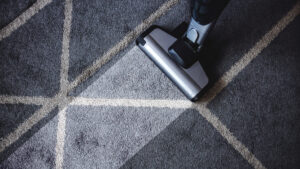
Let’s start with the tool you probably use most. We’ve seen people spend a thousand dollars on a vacuum only to use it incorrectly. The biggest mistake? Rushing. Most people spend about 30 seconds vacuuming an entire room. That’s not cleaning; that’s just moving the surface debris around.
The goal of vacuuming is to agitate the fibers and lift the dirt before it gets ground in. You need slow, overlapping passes. Go north-south, then east-west. If you have a beater bar, use it on carpet (but turn it off for hard floors). And for the love of everything, empty the canister or change the bag when it’s half full. A full vacuum loses suction fast, and a vacuum with poor suction is just a noisy dust redistributor.
We’ve also noticed a common misunderstanding about bagless vs. bagged. Bagless is convenient, but emptying the canister creates a dust cloud that settles right back into your carpet. If you have allergies, a bagged vacuum with a HEPA seal is actually the better choice. It’s a trade-off between convenience and air quality.
Why DIY Steam Cleaners Are a Trap
So you’ve decided to go deeper. You rent a machine from the local supermarket, buy the cleaning solution, and spend a Saturday afternoon pushing it around. You watch the dirty water fill up and feel a sense of accomplishment. Here’s the cold truth: you probably just made your carpet dirtier.
Those rental machines are not designed for extraction. They’re designed to spray soapy water and suck up a fraction of it. The real problem is the soap. The chemicals they use are often high-foaming detergents that leave a sticky residue. That residue acts like a magnet for dirt. Within two weeks, your carpet looks worse than it did before you cleaned it. We call this “rapid re-soiling,” and it’s the number one complaint we hear from homeowners who tried the DIY route.
The other issue is heat. Professional truck-mounted systems heat water to around 200°F. That heat is critical for breaking down oils and killing dust mites. A rental machine uses tap water that’s maybe 120°F. It just doesn’t have the thermal power to do the job. You’re essentially giving your carpet a cold bath with a lot of soap.
The Right Way to Deep Clean
If you want to do it yourself and do it right, you need to invest in a machine that actually extracts. Look for a unit with a powerful vacuum motor (at least 100 inches of water lift) and use a low-moisture, low-residue cleaning solution. Even better, use a rinse agent that neutralizes the pH of the carpet.
But honestly? For most people, the smartest move is to hire a professional. Not because we’re in the business, but because the equipment and chemistry required to truly clean a carpet are not consumer-grade. A professional truck-mount system can flush the carpet with hot water and then vacuum it with enough force to pull the dirt out of the backing, not just the tips of the fibers.
This is where local realities come into play. In Queens, NY, we deal with a mix of older buildings with original wall-to-wall carpet and newer condos with high-end wool Berber. The older buildings often have subfloor issues—creaking, unevenness, sometimes even moisture problems from decades of wear. A heavy-handed DIY cleaning can actually warp the wood subfloor or cause the carpet to delaminate from the backing. We’ve seen it happen. A professional knows how to adjust the moisture level based on the carpet type and the condition of the floor underneath.
When you hire Queens Carpets Cleaning, the first thing we do is inspect the carpet. We look for manufacturer labels, test for colorfastness, and check for existing damage. That’s not a sales pitch; it’s a necessity. You can’t clean what you don’t understand.
Spot Cleaning: The Art of Doing Nothing
We’ve seen more carpets ruined by spot cleaning than by anything else. Someone spills red wine, and their immediate instinct is to grab the nearest cleaner and scrub like they’re putting out a fire. That’s exactly the wrong move.
Scrubbing breaks the fibers and spreads the stain. The correct protocol is to blot. Use a clean, white cloth. Apply pressure to absorb the liquid. If you need a cleaner, use one specifically designed for that stain type. And here’s a hard rule: never use bleach. Not even diluted. Bleach destroys the dye in synthetic carpets and turns wool yellow. We’ve had customers who tried to remove a small spot with bleach and ended up with a white patch the size of a dinner plate.
For most organic stains (wine, coffee, pet urine), a solution of white vinegar and water (1:3 ratio) works better than any commercial product. It neutralizes the odor and breaks down the stain without leaving residue. But test it on an inconspicuous area first. Some carpets are sensitive to acid.
When to Walk Away and Call a Pro
There are situations where no amount of DIY effort will fix the problem. Here’s a short list of times you should put down the spray bottle and pick up the phone:
| Situation | Why DIY Fails | What a Pro Can Do |
|---|---|---|
| Pet urine odor | Enzyme cleaners only work on the surface; the urine has soaked into the pad and subfloor. | Use a probe to inject neutralizer deep into the pad, then extract with a truck-mount. |
| Heavy traffic lanes | Dirt is ground into the backing, not just the surface. | Hot water extraction at 200°F breaks down the embedded oils. |
| Water damage (flood, burst pipe) | Household wet vacs can’t remove enough moisture, leading to mold. | Industrial-grade water extraction and drying equipment. |
| Silk or wool carpets | Consumer cleaners can shrink or discolor natural fibers. | Specialized low-moisture, pH-neutral cleaning. |
| Post-construction dust | The fine dust clogs vacuums and rental machines quickly. | High-filtration HEPA vacuums and multiple extraction passes. |
We’ve seen a lot of people try to save a few hundred dollars by tackling a pet urine problem themselves, only to end up having to replace the entire carpet and pad because the smell came back. That’s a $2,000 mistake to save $150.
The Seasonal Reality of Carpet Care
Your carpet doesn’t live in a vacuum. It lives in your home, which is affected by the weather, the heating system, and how many people walk through the door. In Queens, we see a distinct seasonal pattern.
Winter is brutal. Salt, sand, and melting slush get tracked in from the sidewalk. That grit is abrasive. It cuts into the carpet fibers like sandpaper. The best defense is a good entry mat—not one of those thin rubber ones, but a thick, absorbent mat that’s at least four feet long. We tell customers to put one outside the door and one inside. It catches about 80% of the dirt before it ever touches the carpet.
Spring brings pollen and humidity. The humidity makes the carpet feel damp, which attracts dust mites. This is the time of year to schedule a deep cleaning. It resets the carpet before the summer humidity sets in.
Summer in New York means open windows, air conditioners, and more foot traffic. The AC units drip condensation, which can soak the carpet near the window. We’ve seen mold grow in that spot because people didn’t realize the AC was leaking.
Fall is leaf season. Leaves track in mud and organic debris that can stain the carpet if left too long. It’s also the time when people start thinking about holiday parties. A pre-holiday cleaning is a smart move.
The Trade-Off Between Cost and Longevity
We understand that professional cleaning feels like an expense. But let’s do the math. A decent wall-to-wall carpet installation costs between $3 and $8 per square foot installed. A professional cleaning costs about $0.30 to $0.50 per square foot. If you clean it properly every 12 to 18 months, you can extend the life of that carpet from 5 years to 12 years. That’s a 7-year return on a relatively small annual investment.
The real cost is in neglect. Carpets that aren’t cleaned properly develop matting in the traffic lanes, frayed edges, and permanent discoloration. They hold onto allergens and odors. Eventually, they look so bad that you have to replace them, even though the fibers are technically still intact. The dirt has just become part of the carpet.
We’ve also noticed that people underestimate the wear caused by furniture. Heavy sofas and beds compress the carpet fibers. Over time, those areas become permanently flattened. Regular vacuuming with a brush roll can help fluff them back up, but once the fibers are crushed, only a professional power stretch can fix it. And that’s a separate service entirely.
The Bottom Line
Keeping carpets spotless isn’t about buying the right product. It’s about understanding the physics of soil, the chemistry of cleaning, and the limits of your own equipment. Vacuum slow and often. Blot stains, don’t scrub. Avoid the rental machine trap. And accept that some jobs are best left to people who do this every day.
We’ve been in enough homes in Queens to know that every carpet tells a story. Some stories are about spilled milk and muddy paws. Others are about years of careful maintenance. The ones that end well are the ones where the owner knew when to call for help. If you’re looking at your carpet right now and feeling that sinking feeling that it’s beyond your control, you’re probably right. But it’s not beyond repair. It just needs the right approach.
People Also Ask
People sprinkle baking soda on carpet before vacuuming primarily to neutralize odors. Baking soda is a natural deodorizer that absorbs and traps unpleasant smells from pets, food, or moisture, rather than just masking them. For best results, let it sit for at least 15 minutes or overnight for heavy odors. It can also help loosen light surface dirt, making vacuuming slightly more effective. However, baking soda is not a deep cleaner. For thorough stain removal or sanitization, professional services like those from Queens Carpets Cleaning provide more powerful solutions. Always test baking soda on a hidden area first, as it can leave a residue on some carpet fibers if not fully vacuumed.
A 30-year-old carpet can indeed pose health concerns. Over time, carpets accumulate deep-seated dust, allergens, pet dander, and bacteria that regular vacuuming cannot fully remove. These trapped particles can degrade indoor air quality and trigger respiratory issues, allergies, or asthma. Additionally, the carpet backing may break down, releasing synthetic fibers or volatile organic compounds (VOCs) into the air. Professional deep cleaning by a service like Queens Carpets Cleaning can help, but after three decades, replacement is often the healthier choice. For optimal indoor hygiene, industry standards suggest replacing carpet every 10 to 15 years, especially in high-traffic areas.
Using dish soap like Dawn on your carpet is not recommended by industry professionals. While it can cut through grease, its high-sudsing formula leaves a sticky residue that attracts dirt, leading to faster re-soiling. This residue can also damage carpet fibers over time. For safe and effective cleaning, Queens Carpets Cleaning always advises using a dedicated carpet shampoo or a neutral pH cleaner designed for textiles. If you have a tough stain, a solution of white vinegar and water is a gentler alternative. For best results and to protect your carpet warranty, consider professional cleaning methods that avoid harsh detergents.
To keep your carpet clean in winter, start by placing heavy-duty mats at all entrances to trap snow, salt, and mud before they reach the carpet. Remove shoes immediately upon entering the home to prevent moisture and grime from being tracked further. Vacuum high-traffic areas at least twice a week, as winter dirt can grind fibers down faster. For wet spots from melted snow, blot gently with a clean cloth and avoid rubbing to prevent damage. Queens Carpets Cleaning recommends scheduling a professional deep clean at the end of winter to remove embedded salt residue and restore fiber texture. Additionally, use area rugs in busy zones to absorb extra wear. Keeping humidity levels moderate can also reduce static and dust buildup.