Strict Guidelines Every Homeowner Should Follow For Lasting Carpet Quality
Let’s be honest: most carpet care advice you’ll find online is either too generic to matter or so extreme that no one actually follows it. We’ve been inside hundreds of homes across Queens, NY, and we’ve seen the same patterns repeat. People either over-vacuum until the fibers fray, or they ignore the carpet entirely until it looks like a crime scene. Neither approach works.
The real secret to lasting carpet quality isn’t about buying the most expensive cleaner or following a rigid schedule. It’s about understanding what your carpet actually needs—and what it doesn’t. After years of working with everything from luxury wool in Forest Hills high-rises to budget Berber in Astoria rentals, we’ve landed on a few principles that genuinely make a difference.
Key Takeaways
- Most carpet damage comes from improper cleaning methods, not just wear and tear
- Vacuuming technique matters more than frequency
- Professional deep cleaning should happen every 12–18 months, not every 6 months as some claim
- Spot treatment requires patience, not harsh chemicals
- The biggest mistake homeowners make is waiting until stains set permanently
Why Your Carpet Is Aging Faster Than It Should
We’ve walked into homes where the carpet is only three years old but looks like it survived a decade. Meanwhile, we’ve seen twenty-year-old carpets in Jackson Heights that still feel plush. The difference rarely comes down to the carpet’s original quality. It comes down to how people treat it day to day.
The biggest offender? Over-cleaning. People think more soap and more water equals cleaner carpet. In reality, residue from cleaning products attracts dirt like a magnet. That’s why carpets cleaned with a rented machine often look worse within weeks. The machine leaves behind a sticky film that grabs every particle that walks through the door.
Another hidden culprit is furniture placement. Heavy sofas and beds compress carpet fibers over time, creating permanent indentations. We’ve seen beautiful carpets ruined because someone never rotated their furniture or used proper floor protectors. Simple physics, really—constant pressure in one spot will flatten any fiber.
The Vacuuming Trap Most People Fall Into
There’s a common belief that vacuuming once a week is sufficient. That might work for a bachelor pad with minimal foot traffic, but for a family home in Queens with kids, pets, and the constant dust from construction and traffic, it’s not nearly enough.
How Often Should You Really Vacuum?
High-traffic areas like hallways, living rooms, and entryways need vacuuming every two to three days. Low-traffic bedrooms can go a week. But here’s the part nobody talks about: the speed of your vacuuming matters. Rushing through the job just pushes dirt deeper into the backing. Slow passes—one forward, one backward—allow the brush roll to lift embedded particles.
We’ve tested this with homeowners who swore they vacuumed daily. When we watched them, they were gliding the vacuum over the surface like they were ice skating. That does almost nothing. The brush roll needs to actually agitate the fibers. If your vacuum has adjustable height settings, set it so the bristles just barely touch the carpet—too low and you’ll shred the fibers, too high and you’re just moving air.
The Canister Mistake
Bagless vacuums are convenient, but they create a problem most people ignore. When you empty the canister, fine dust particles fly back into the air and settle right back into your carpet. We’ve recommended switching to a bagged vacuum for clients with allergies, and the difference in air quality is noticeable within weeks. If you’re stuck with a bagless model, empty it outside and wear a mask—seriously.
Spot Cleaning: What Actually Works
Every homeowner we’ve met has a stain story. Red wine on beige carpet. Coffee spills that seemed minor until they dried. Pet accidents that were “cleaned up” immediately but left a lingering odor. The common thread is panic. People grab whatever cleaner is under the sink and start scrubbing furiously.
That’s exactly the wrong move.
The Blot, Don’t Rub Rule
Rubbing a stain spreads it horizontally and pushes it deeper into the backing. Blotting with a clean white cloth lifts the stain upward. It’s slower, but it actually works. We’ve saved carpets that looked ruined simply by switching from scrubbing to blotting.
For common stains, here’s what we’ve found effective through trial and error:
| Stain Type | Immediate Action | Best Cleaner | Common Mistake |
|---|---|---|---|
| Red wine | Blot with white wine or club soda | Hydrogen peroxide + dish soap | Using salt (leaves residue) |
| Coffee | Blot with cold water immediately | White vinegar + water (1:3) | Scrubbing with hot water (sets the stain) |
| Pet urine | Blot, then enzyme cleaner | Commercial enzyme spray | Using ammonia (smells like more urine to pets) |
| Mud | Let dry completely, then vacuum | Mild dish soap + water | Trying to clean while wet (spreads mud) |
| Grease/oil | Cornstarch or baking soda to absorb | Degreaser or dish soap | Using water first (repels, doesn’t lift) |
The table above isn’t theoretical—we’ve used these methods in real homes. The hydrogen peroxide trick for red wine works surprisingly well, but test it on an inconspicuous area first. Some carpets, especially older ones, can discolor.
When Spot Cleaning Fails
Sometimes a stain has set so deep that no amount of home treatment will fix it. We’ve had clients spend weeks trying to remove a stain that required professional extraction equipment. If you’ve blotted, treated, and waited, and the stain still looks the same after three attempts, call a professional. Continuing to treat it will just damage the fibers and make the professional’s job harder.
Professional Cleaning: The Right Frequency
Here’s where a lot of online advice gets it wrong. Many sources say you should have your carpets professionally cleaned every six months. That’s a great recommendation for a carpet cleaning company’s revenue, but it’s not realistic or necessary for most homes.
Every 12 to 18 Months Is Usually Enough
Unless you have severe allergies, multiple pets, or heavy foot traffic from kids and guests, annual cleaning keeps your carpet in good shape. For low-traffic homes, every 18 months works fine. The key is consistency—skipping two or three years allows dirt to accumulate in the backing, which no amount of vacuuming can remove.
We’ve cleaned carpets in Queens that hadn’t been professionally touched in five years. The water that came out was black. Those carpets could have been saved with regular cleanings, but at that point, replacement was cheaper.
What Professional Cleaning Actually Involves
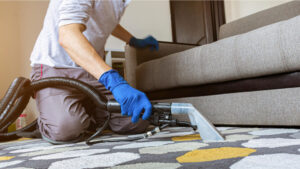
A proper hot water extraction (steam cleaning) uses water heated to around 200°F, combined with a cleaning solution, injected into the carpet under pressure. The machine then vacuums out the dirty water. It’s not like the carpet shampooers you rent from the grocery store—those don’t get hot enough and leave residue behind.
If you’re in Queens and considering professional help, Queens Carpets Cleaning offers hot water extraction that actually removes the dirt rather than pushing it around. We’ve seen the difference firsthand.
The Hidden Damage of DIY Rental Machines
We understand the appeal. Renting a carpet cleaner from the local store costs fifty bucks, while professional cleaning runs a few hundred. But over time, those rental machines cost you more in carpet replacement.
Here’s why: rental machines use low water pressure and weak suction. They wet the carpet but don’t extract the water effectively. That moisture soaks into the padding underneath, creating a perfect environment for mold and mildew. We’ve pulled up carpet in Queens basements where the padding was black with mold because someone used a rental machine and thought they’d done a thorough job.
The chemicals in rental machines are also problematic. They’re designed to create visible foam so customers feel like the carpet is getting clean, but that foam leaves a residue that accelerates re-soiling. Your carpet looks fresh for a day or two, then gets dirty faster than before.
If you’re determined to DIY, use a machine with at least 100 PSI and 150 CFM suction. Most rental units don’t meet those specs. And never use “steam” cleaners that claim to clean without chemicals—those just spread dirt around.
Protecting Your Carpet Between Cleanings
The best way to extend carpet life is to prevent dirt from reaching it in the first place. This sounds obvious, but most people don’t do it effectively.
Entryway Mats That Actually Work
A small doormat isn’t enough. You need a mat that’s at least three feet long so people take multiple steps on it. The first step removes large debris, the second catches finer particles. We recommend a combination of a coarse outdoor mat and an absorbent indoor mat. This simple setup can reduce the dirt tracked into your home by 80%.
Shoe Policy
We know this is controversial. Some people hate asking guests to remove shoes. But if you’ve ever seen the underside of a shoe after walking through a Queens subway station in the rain, you’d understand why barefoot or sock-only is better for carpets. The grit and grime from sidewalks acts like sandpaper on carpet fibers.
If asking guests to remove shoes feels awkward, provide a bench and a clear place to store shoes. Make it easy, not confrontational.
When It’s Time to Replace Instead of Clean
No amount of care can save a carpet that’s reached the end of its lifespan. Most carpets last 5 to 15 years depending on quality and traffic. Signs that replacement is the better option include:
- Persistent odors that return even after professional cleaning
- Visible matting in high-traffic areas that won’t fluff up
- Stains that have penetrated through to the backing
- Allergies that worsen when you’re home
- Carpet that feels hard or crunchy underfoot
We’ve had clients insist on cleaning a twenty-year-old carpet because it held sentimental value. We did our best, but the results were mediocre. Sometimes the most practical choice is to let go.
The Bottom Line on Carpet Care
Carpet doesn’t have to be a constant source of frustration. With reasonable habits—slower vacuuming, immediate blotting, annual professional cleaning, and good entryway mats—you can double the life of most carpets. The tricks and products that promise miracle results are almost always marketing hype.
What works is consistency and patience. Treat stains when they happen, not when you remember. Vacuum properly, not quickly. And when you need professional help, invest in someone who uses real hot water extraction, not a glorified wet vac.
Your carpet will last longer, look better, and save you money in the long run. That’s not a promise from a sales pitch—it’s what we’ve seen work in hundreds of homes across Queens. And if you’re ever unsure, reach out to a local professional who can assess your specific situation. Sometimes a quick consultation saves you from making a costly mistake.
Related Articles
Effective Techniques To Minimize Dust Mites, Pollen, And Pet Dander In Carpets
How To Prevent Carpet Color Bleed And Fiber Damage During At-Home Cleaning
Is Dry Carpet Cleaning Enough — A Comparison That Settles The Debate
Optimal Carpet Cleaning Frequency: Seasonal Vs Annual Schedules For Every Household
People Also Ask
A 20-year-old carpet is not automatically a health hazard, but it does carry significant risks that depend on its condition and history. Over two decades, fibers can trap deep allergens like dust mites, pet dander, and mold spores, which are released into the air with every step, potentially aggravating asthma or allergies. Old padding often breaks down, creating uneven wear and a musty odor that signals trapped moisture and possible microbial growth. However, if the carpet has been professionally cleaned and maintained, with no water damage or visible wear, it may still be safe. For peace of mind, a deep steam cleaning by a service like Queens Carpets Cleaning can remove embedded contaminants, but replacement is often the wiser choice for optimal indoor air quality.
The best grade of carpet depends entirely on your specific needs, but for most homes, a mid-to-high grade nylon carpet is the superior choice. Nylon offers an excellent balance of durability, resilience, and softness, making it ideal for high-traffic areas like living rooms and hallways. Look for a carpet with a density rating of at least 2,000 and a face weight of 40 ounces or more; this indicates a tighter, more durable construction. For bedrooms, a softer polyester or triexta can be comfortable and budget-friendly, though it may not withstand heavy wear as well. Ultimately, the "best" grade pairs a robust fiber with a high-quality pad. If you are unsure, a professional consultation, such as the one offered by Queens Carpets Cleaning, can help you evaluate your lifestyle and choose a carpet that will perform well for years.
A good quality carpet, when properly maintained, typically lasts between 10 and 15 years. However, this lifespan is heavily influenced by foot traffic, the fiber type (like nylon or wool), and the quality of the underlay. Regular vacuuming and prompt stain removal are crucial, but professional deep cleaning is the real key to longevity. At Queens Carpets Cleaning, we recommend a thorough hot water extraction every 12 to 18 months to remove embedded grit that acts like sandpaper on fibers. To maximize your investment, follow the maintenance schedule outlined in our internal article titled 'A Rental Property Owner’s Playbook For Long-Lasting Carpet Condition' A Rental Property Owner’s Playbook For Long-Lasting Carpet Condition. With diligent care, you can often push that lifespan toward the upper end of the range.
When buying carpet, avoid choosing solely on color or price without considering fiber type and durability. Steer clear of low-quality materials like cheap polypropylene for high-traffic areas, as they crush and mat quickly. Also, avoid ignoring the carpet’s density and twist level; a loose twist means faster wear. Do not skip the padding—a thin or soft underlay ruins the carpet’s lifespan and comfort. Finally, avoid neglecting professional installation and aftercare. For expert guidance on selecting and maintaining your investment, Queens Carpets Cleaning recommends verifying stain warranties and always asking about moisture resistance to prevent mold and odors.
When selecting new carpet, Consumer Reports emphasizes fiber type and density over brand names. Nylon remains the top choice for durability and resilience, while polyester and Triexta offer excellent stain resistance and softness at a lower cost. Always check the face weight (ounces per square yard) and twist level; higher numbers indicate better longevity. Also, consider the pad underneath, as a quality 8-pound density pad extends carpet life. For professional upkeep after installation, routine vacuuming and annual deep cleaning are vital. If you are in the New York area, Queens Carpets Cleaning provides the thorough hot water extraction that helps maintain your warranty and appearance. Ultimately, request samples to test in your home lighting before committing to a purchase.
Choosing the "best" carpet brand depends entirely on your budget, lifestyle, and the specific needs of your household. For high-end luxury and durability, brands like Mohawk and Shaw are industry leaders, offering advanced stain-resistant fibers and plush textures. If you are looking for excellent value and eco-friendly options, consider brands like Stainmaster or Tuftex, which provide great warranties and softness. However, the brand is only half the equation. The quality of installation and ongoing maintenance plays a massive role in longevity. At Queens Carpets Cleaning, we often see premium carpets fail due to poor cleaning habits rather than manufacturing defects. Always pair a top-tier brand with professional deep cleaning every 12 to 18 months to protect your investment and keep the fibers looking new.
Carpet types are generally categorized by their construction and fiber. The most common styles include cut pile, loop pile, and cut-and-loop pile. Cut pile carpets, like plush or Saxony, offer a soft, formal feel, while frieze is a tightly twisted, casual option that hides footprints well. Loop pile styles, such as Berber or level loop, are highly durable and resist matting, making them ideal for high-traffic areas. Cut-and-loop styles, like patterned or sculpted carpets, use varying pile heights to create texture and design. In terms of fibers, you will often find nylon, polyester, triexta, and wool. For expert guidance on choosing the right style for your home, professional advice from Queens Carpets Cleaning can help you understand maintenance needs and longevity, ensuring your investment looks great for years.
The best kind of carpet for bedrooms prioritizes softness and insulation underfoot, as comfort is the primary goal for this private space. A plush or frieze carpet made from premium nylon or triexta fibers offers a luxurious feel while remaining durable enough for daily foot traffic. For ultimate coziness, consider a thicker pile height, which provides a cushioning effect when you step out of bed. Additionally, a quality pad underneath is crucial for extending the carpet's lifespan and enhancing its warmth. When selecting materials, stain resistance is still important, though less critical than in high-traffic areas like hallways. At Queens Carpets Cleaning, we recommend consulting a professional installer to test different textures, ensuring your choice aligns with your comfort preferences and maintenance expectations for years to come.