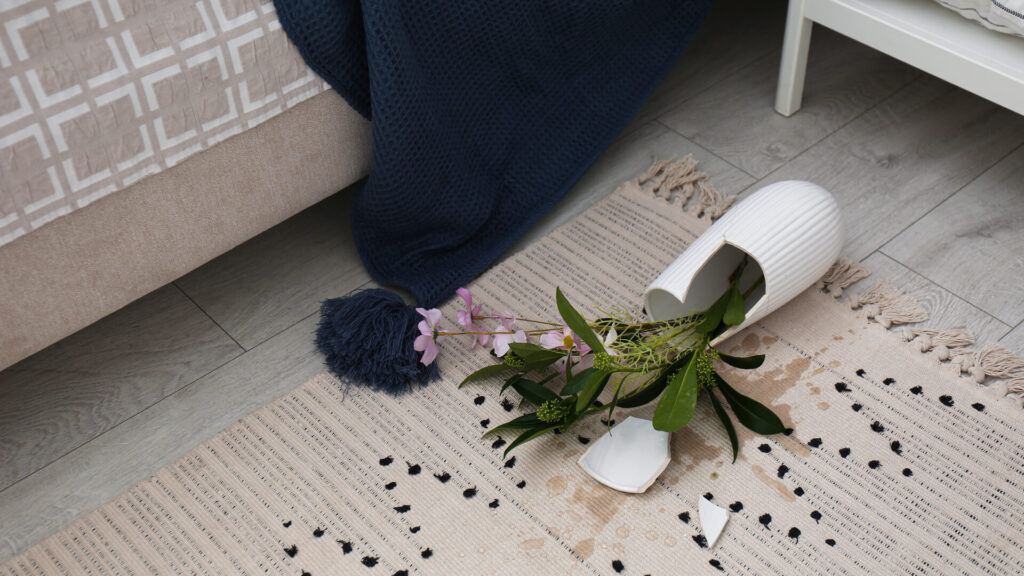
Most people don’t think about their rugs until something goes wrong. A spill at a dinner party. A musty smell that won’t air out. Or that moment you flip the rug over and realize the backing is crumbling into dust. By then, you’re already dealing with damage that could have been avoided with a few simple habits. We’ve seen it hundreds of times walking into homes across Queens, NY, from the pre-war buildings in Astoria to the brownstones in Park Slope. The good news is that rug maintenance isn’t complicated. It just requires a little consistency and knowing what actually works versus what the internet tells you.
Key Takeaways
- Rotating your rug every six months prevents uneven wear and sun damage, especially in high-traffic areas near windows.
- Vacuuming technique matters more than frequency; avoid beater bars on delicate fibers like wool or silk.
- Professional cleaning every 12 to 18 months extends rug life significantly, particularly in humid climates like New York City.
- Spot cleaning with the wrong solution (like vinegar or bleach) can permanently set stains or fade dyes.
- Rug pads are not optional; they reduce slippage, improve airflow, and protect floor finishes.
The Real Enemy Is Dirt, Not Time
We’ve had customers tell us their rug is “fine” because it still looks clean. But the dirt you can’t see is what does the damage. Every time someone walks across a rug, the grit and sand from shoes grind against the fibers like sandpaper. Over years, this abrasion wears down the pile, dulls the color, and eventually creates bald patches. This is especially brutal in entryways and hallways, where people track in salt, mud, and grit from Queens streets during the wet months.
Why Vacuuming Alone Isn’t Enough
Vacuuming removes surface dirt, but it doesn’t extract the deeply embedded particles that settle near the base of the fibers. If you have a high-pile rug or a wool piece, the vacuum might only get about 30% of the trapped debris. That’s why professional deep cleaning matters. But between professional visits, you can slow the damage by using a vacuum with a suction-only setting and no beater bar. Beater bars are designed for carpet, not rugs. They can fray wool fibers and pull loops out of hand-knotted pieces. We’ve seen expensive Persian rugs ruined because someone ran a cheap upright vacuum over them every week for a year.
The Humidity Problem in Older Buildings
Queens has a humid continental climate, and many of the older apartment buildings and homes have basements that trap moisture. If you store a rug in a damp basement or lay it on a concrete slab without a proper pad, the backing can absorb moisture and start to rot. We’ve pulled rugs out of basements in Long Island City that literally fell apart when we tried to roll them. The fix is simple: never store rugs directly on concrete, and use a breathable rug pad that allows air circulation underneath. A rubber or felt pad that traps moisture is worse than no pad at all.
Spot Cleaning Without Making Things Worse
The biggest mistake we see is people attacking a stain immediately with whatever is in the cabinet. Dish soap, vinegar, bleach, carpet cleaner spray — none of these are safe for most rugs. Vinegar is acidic and can strip color from natural dyes. Bleach is obvious, but people still use it on wool, which turns yellow. Dish soap leaves a residue that attracts more dirt over time.
The Right Way to Handle a Spill
Blot, don’t rub. Rubbing pushes the liquid deeper into the fibers and spreads the stain. Use a clean white cloth (colored cloth can transfer dye) and press firmly to absorb as much liquid as possible. Then use a small amount of cold water and blot again. If the stain persists, use a pH-neutral rug cleaner specifically designed for your fiber type. For wool, use a wool-safe cleaner. For silk, honestly, call a professional. Silk is too delicate for DIY treatment, and we’ve seen people turn a small wine spill into a permanent shadow by trying to scrub it out.
When Spot Cleaning Fails
Some stains set permanently if left untreated for more than a few hours. Red wine, coffee, and pet urine are the worst offenders. Pet urine is particularly tricky because it contains ammonia, which can react with the dyes and cause color change. If the stain is old or has been treated with the wrong product, professional cleaning may still not restore it completely. That’s the honest truth. Sometimes the damage is done, and the best you can do is minimize the appearance. This is why we always tell customers to test any cleaning solution on an inconspicuous corner of the rug first. Most people skip this step and regret it.
The Role of Rug Pads in Longevity
We’ve been in homes where people spent thousands on a beautiful wool rug and then laid it directly on hardwood floors without a pad. Within a year, the rug had shifted, the edges were curling, and the floor underneath showed scratches from grit trapped between the rug and wood. A good rug pad does three things: prevents slipping, absorbs impact, and allows airflow. It also keeps the rug from crushing under furniture.
Choosing the Right Pad Material
Not all pads are created equal. Felt pads are great for natural fiber rugs and provide cushioning, but they don’t breathe well. Rubber pads offer grip and airflow, but some can stain certain floors over time. For hardwood floors, we recommend a pad made from natural rubber with a felt top layer. Avoid PVC pads, because they can offgas and damage finishes. If you have a rug over carpet, you don’t need a pad, but you might want a thin non-slip layer to keep it from bunching.
A Quick Comparison of Rug Pad Options
| Pad Type | Best For | Pros | Cons |
|---|---|---|---|
| Felt | Wool, natural fibers | Soft feel, good cushion, protects floors | Can trap moisture, not breathable |
| Natural Rubber | All rugs on hardwood | Grips well, breathable, non-toxic | Thinner, less cushion |
| PVC | Budget rugs, low-traffic areas | Cheap, widely available | Can damage floors, offgassing, short lifespan |
| Felt + Rubber combo | High-traffic areas, large rugs | Best of both worlds, durable | More expensive, thicker |
Professional Cleaning: When and Why
We recommend professional cleaning every 12 to 18 months for most rugs. If you have pets, kids, or live in a high-traffic area, bump that to every 6 to 12 months. The reason is simple: even the best home vacuum and spot cleaning cannot remove the accumulated oils, dust mites, and allergens that build up deep in the fibers. Professional cleaning uses hot water extraction or dry cleaning methods that flush out the dirt without damaging the rug.
The Difference Between Steam Cleaning and Dry Cleaning
Steam cleaning (hot water extraction) is effective for synthetic rugs and durable wool pieces. It uses hot water and a mild detergent, then extracts the moisture with a powerful vacuum. The downside is drying time. A large wool rug can take two to three days to dry completely, and if it stays damp too long, mildew can develop. Dry cleaning uses a solvent-based foam that is scrubbed into the fibers and then vacuumed out. It dries faster and is safer for delicate rugs like silk or antique pieces. The trade-off is that dry cleaning doesn’t remove water-soluble stains as well. We usually recommend steam cleaning for everyday rugs and dry cleaning for heirlooms or high-end pieces.
When DIY Makes Sense
If you have a small synthetic rug (under 4×6 feet) and a carpet cleaner machine, you can get decent results at home. But for larger rugs or natural fibers, the risk of over-wetting, shrinking, or color bleeding is too high. We’ve seen people ruin a $2,000 wool rug by renting a machine from the grocery store and using the wrong detergent. The machine might say “safe for wool,” but the chemical mix can still strip the lanolin that keeps wool soft. If you’re going to DIY, use a machine that has a dedicated wool setting and a rinse cycle to remove all detergent residue.
Common Myths That Cost People Money
There’s a lot of bad advice out there, and we’ve heard it all. Let’s clear up a few.
Myth: Shampooing Your Rug Makes It Clean
Shampoo leaves a sticky residue that attracts dirt. Within a few weeks, the rug looks dirtier than before. Professional cleaners use low-moisture or encapsulation methods that don’t leave residue behind.
Myth: You Can Use Carpet Cleaner on Any Rug
Carpet cleaner is formulated for wall-to-wall carpet, which is usually synthetic and glued down. Rugs, especially hand-knotted or wool pieces, need gentler treatment. Carpet cleaner can be too alkaline and damage natural fibers.
Myth: Sunlight Disinfects Rugs
Sunlight can bleach colors and weaken fibers. While UV light does kill some bacteria, it’s not worth the damage to your rug. If you have a rug near a window, rotate it every few months to ensure even fading, or use UV-blocking window film.
When It’s Time to Call a Professional
Some situations are beyond DIY. If your rug has a strong musty smell that won’t go away, that’s usually a sign of mold or mildew growing in the backing. If the edges are fraying or the fringe is coming loose, that requires re-binding, which is a specialized skill. And if you have a valuable antique or silk rug, don’t touch it — call a professional who specializes in fine rugs. In Queens, we often work with customers in Forest Hills and Jackson Heights who have inherited rugs from family and don’t realize that improper cleaning can destroy their value.
The Cost of Waiting
We’ve had customers say, “I’ll just flip the rug over and use the other side.” That works for cheap rugs, but most quality rugs have a different pattern or no pattern on the back. Flipping it doesn’t fix the dirt that has already worn down the fibers. The longer you wait, the more permanent the damage becomes. A rug that could have been restored for a few hundred dollars might need to be replaced for several thousand.
Final Thoughts on Keeping a Rug Alive
Rugs are an investment, but they’re also functional. They absorb sound, define a room, and soften a space. Treat them like the hardworking pieces they are. Rotate them. Vacuum gently. Blot spills. Invest in a good pad. And schedule professional cleaning before you think you need it. Most people wait until the rug looks dirty, but by then the damage is already happening underneath.
If you’re in Queens, NY, and your rug has seen better days, Queens Carpets Cleaning can help. We’ve worked on everything from modern synthetics to century-old Orientals, and we know the local climate and building conditions that affect how rugs wear. Sometimes a deep clean is all it takes to bring a rug back to life. Other times, we have to be honest and tell you it’s time to let go. Either way, you’ll know what you’re dealing with.
Related Articles
An Allergy‑Focused Carpet‑Care Routine For A Healthier Living Space
Effective Techniques To Minimize Dust Mites, Pollen, And Pet Dander In Carpets
The Dos And Don’ts Of Carpet Maintenance — A Mistake‑Proof Guide
Home Cleaning Schedules For Light, Moderate, And Heavy Traffic
How To Dodge The Cleaning Blunders That Lead To Mold And Mildew
Area Rug Cleaning Without Moving Furniture
Best Methods To Turn Your Carpet Into An Allergen Free Zone
Why Over‑Wetting Carpets Is The Number One DIY Mistake To Avoid
People Also Ask
The average lifespan of a quality area rug is typically between 5 and 15 years, though this varies significantly based on material, foot traffic, and care. A low-quality synthetic rug may only last 3 to 5 years, while a well-maintained wool or silk piece can endure for decades, even becoming a family heirloom. To maximize longevity, regular vacuuming and immediate spot-cleaning are essential. Furthermore, professional deep cleaning every 12 to 18 months prevents dirt from grinding down fibers. At Queens Carpets Cleaning, we often see rugs fail prematurely due to neglect, not age. Rotating your rug seasonally and using a proper pad underneath also distributes wear evenly, ensuring you get the maximum years of beauty and function from your investment.
Yes, professional rug cleaning is absolutely worth it, especially for high-quality or delicate pieces. While regular vacuuming removes surface dirt, it fails to extract deep-set allergens, dust mites, and abrasive grit that can damage fibers over time. Professional cleaning uses specialized equipment and solutions that preserve the rug’s texture and color, extending its lifespan significantly. It also removes stubborn stains and odors that DIY methods often miss or worsen. For valuable heirlooms or wool and silk rugs, expert care is essential to avoid shrinkage or color bleeding. At Queens Carpets Cleaning, we recommend a professional deep clean every 12 to 18 months. For a detailed breakdown of pricing and value, see our internal article titled Carpet Cleaning Company Costs in Arverne, Queens. This investment protects your flooring and indoor air quality, making it a smart, cost-effective choice.
Applying a Scotchgard or similar fabric protector to a rug is generally a smart, proactive measure, especially for high-traffic areas or homes with kids and pets. The treatment creates an invisible barrier that helps repel liquid spills, preventing them from soaking into the fibers and causing stains or mildew. It also makes routine vacuuming more effective, as dirt and dust tend to sit on the surface rather than embedding deep into the pile. However, it is not a miracle cure; it does not make the rug stain-proof, and the protection will wear off over time, requiring reapplication after professional cleanings. For best results, always test the product on a small, hidden area first to ensure colorfastness. If you are unsure about the fiber type or the product’s compatibility, a professional service like Queens Carpets Cleaning can apply the protector correctly, ensuring even coverage and optimal durability without risking damage to your rug.
The rug theory in interior design is the principle that a rug acts as the foundational anchor for a room’s layout, defining the functional zones and visual hierarchy. It suggests that furniture placement should be determined by the rug's boundaries, not the other way around. A properly sized rug pulls a seating group together, creating a cohesive conversation area, while an undersized rug can make the space feel disjointed and unstable. The theory also emphasizes that the rug’s pattern and texture set the tone for the entire décor, influencing color palettes and material choices. For professional upkeep of these central design elements, services like Queens Carpets Cleaning ensure your anchor remains fresh and vibrant, preserving the room's intended balance.