When you call us for a quote, the very first thing you want to know is what your final bill will look like. At Queens Carpets Cleaning, we believe in complete transparency across Queens, NY. No hidden surprise fees, and no bait-and-switch tactics. Three core metrics dictate every estimate we write: square footage, fiber material, and current floor condition.
Understanding how these variables interact helps you decode professional pricing. It also explains why an online flat rate rarely matches reality. Let us break down how our industry calculates your investment so you know exactly what you are paying for.
The Math Behind Square Footage
Size is the most foundational baseline for any cleaning estimate. Whether a company charges by the individual room or exact square footage, the physical size of your home dictates labor time, water volume, and chemical consumption.
Room Count Versus Exact Square Footage
Most residential properties in our service area are priced by the room, assuming a standard size of 150 to 200 square feet per space. However, open-concept floor plans and oversized great rooms change the math.
- Standard Rooms: Up to 200 square feet. These fall into standard flat-rate room tiers.
- Oversized Spaces: Any area exceeding 250 square feet often counts as two rooms or shifts to a per-square-foot rate.
- Commercial and Open Layouts: Large spaces are almost always calculated strictly by square footage to ensure fair, exact billing.
Per Square Foot Pricing Tiers
When calculating by exact area, professional rates typically range from 0.25 to 0.50 dollars per square foot for standard synthetic fibers. Very large properties often benefit from volume scaling, lowering the marginal cost per square foot, while smaller apartments usually hit a minimum service call fee to cover equipment transport and technician travel time.
How Fiber Material Drives Cost
Not all textiles respond to water, heat, and chemistry the same way. The specific material composition of your flooring directly dictates the machinery settings, water temperature, and cleaning solutions we must use.
Synthetic Versus Natural Fibers
Standard synthetic carpets like nylon, polyester, and olefin tolerate robust hot water extraction methods very well. They clean quickly and predictably. Delicate natural fibers require an entirely different approach.
- Wool Carpets: Wool is a protein fiber that reacts poorly to high alkalinity and excessive heat. It demands pH-balanced cleaning solutions and slower, specialized drying techniques to prevent fiber browning or shrinkage.
- Sisal and Seagrass: These natural plant fibers are extremely moisture-sensitive. They often require specialized low-moisture or dry-compound cleaning methods rather than traditional steam extraction.
- Specialty Blends: Berber and loop piles require careful brush height adjustments to prevent snagging and face-yarn distortion during agitation.
The Impact of Current Condition
The physical state of your flooring is the most common wildcard in any pricing structure. Two homes with identical square footage and nylon carpets can yield vastly different quotes based solely on what is trapped inside the pile.
Heavy Soiling and Traffic Lanes
Walkways packed with ground-in grit and particulate soil require extended pre-vacuuming, specialized pre-conditioning dwell times, and multiple pass extractions. If a carpet has not seen professional care in several years, the extra labor required to break down compacted oils will adjust the baseline cost.
Pet Stains, Odors, and Bio-Contaminants
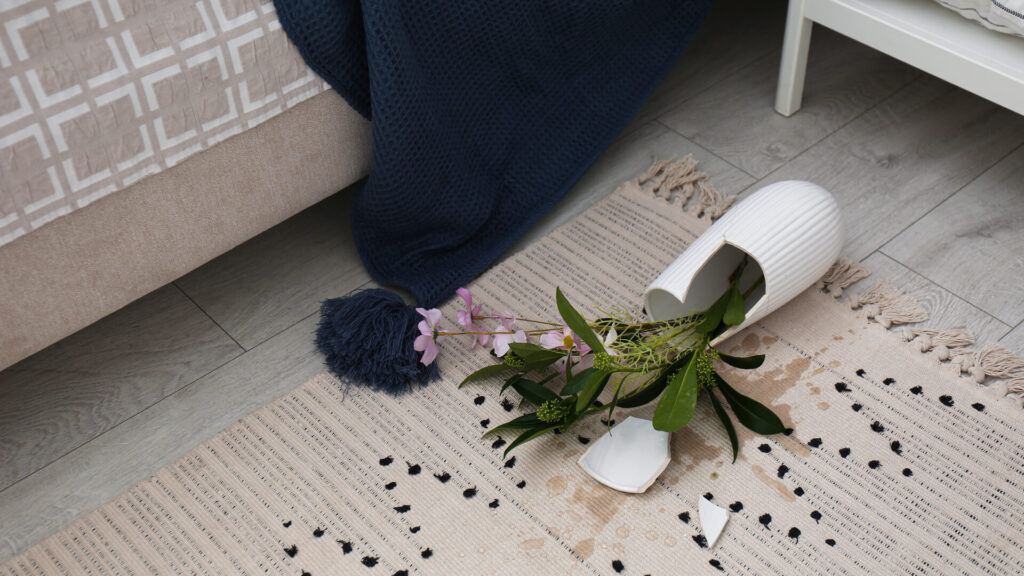
Surface dirt is straightforward, but pet urine requires specialized chemical intervention. Urine salts penetrate deep into the secondary backing and subfloor. Standard cleaning will only reactivate the odor. Remediation requires:
- UV blacklight inspections to map hidden contamination zones.
- Enzymatic treatments to break down uric acid crystals.
- Sub-surface extraction tools that flush out padding layers.
| Pricing Factor | Standard Condition | Complex or Heavy Condition | Estimated Cost Impact |
|---|---|---|---|
| Fiber Type | Nylon or Polyester | Natural Wool or Sisal | Adds 20 to 50 percent for specialized pH-safe chemistry |
| Soil Level | Light surface dust | Heavy traffic lane matting | Adds 30 to 50 dollars per zone for intensive pre-treatment |
| Pet Contamination | None | Embedded urine and deep odors | Adds 25 to 75 dollars per affected room for enzyme flushing |
| Layout Complexity | Clear, empty rooms | Heavy furniture moving or stairs | Adds 2 to 5 dollars per step or hourly furniture rates |
Additional Variables That Shape Your Final Bill
Beyond the big three factors, certain structural and logistical elements influence the final invoice. Knowing these upfront prevents any confusion when the technician arrives.
Stairs and Hand-Finished Areas
Stairs require painstaking manual labor. Technicians must clean each individual step using specialized hand tools rather than wide floor wands. Most local operations price stairs individually, usually ranging between 2 to 5 dollars per step.
Furniture Moving Protocols
Light items like end tables and dining chairs are often shifted and tabbed free of charge by professional crews. Heavy furniture, including large entertainment centers, pianos, and platform beds, requires specialized handling or working around to protect both your belongings and our equipment. For deeper insights into home maintenance standards, you can review guidelines provided by agencies like the Environmental Protection Agency.
Summary Checklist For Accurate Estimates
To ensure you receive an honest quote without surprises, keep these practical steps in mind:
- Measure your space accurately or note the approximate square footage of each carpeted room.
- Identify your fiber type if possible, especially if you have high-end wool or specialty rugs.
- Audit your stains and pet history so your provider can allocate the correct enzyme treatments upfront.
- Ask for an all-inclusive quote that clearly itemizes pre-treatment, stairs, and heavy traffic surcharges.
Frequently Asked Questions
Why do some companies quote cheap room rates and then raise the price?
Low-ball companies often use teaser rates to get their foot in the door, treating standard pre-spray, spot removal, or high-traffic areas as expensive surprise add-ons. Reputable professionals evaluate your exact square footage, fiber type, and soil condition to provide an honest, all-inclusive price before starting work.
Is square footage or room pricing better for large homes?
Square footage pricing is typically more accurate for large, custom, or open-concept homes because it accounts for exact dimensions rather than rigid room definitions. Room pricing works best for traditional residential layouts with standard room sizes.
How often should I schedule professional cleaning to protect my investment?
For standard households without pets, scheduling a professional hot water extraction every 12 to 18 months maintains fiber integrity and removes abrasive grit. Homes with multiple pets, heavy foot traffic, or allergy sufferers should clean their carpets every 6 to 12 months.
Sources
- Angi Professional Carpet Cleaning Cost Guide
- Homewyse Carpet Cleaning Cost Calculator
- U.S. Environmental Protection Agency Indoor Air Quality Standards
- Wikipedia Carpet Cleaning Overview