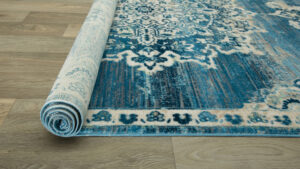
When you own fine floor coverings, treating them with a single generic cleaning routine is the fastest way to ruin them. Persian, silk, and wool rugs possess unique cellular structures, natural oils, and dye sensitivities that require entirely different maintenance protocols. At Queens Carpets Cleaning, we spend our days servicing homes across Queens, NY, restoring textiles that range from rugged tribal wools to delicate antique silk centerpieces.
The most important rule of rug care is that material dictates method. Using a high-heat steam cleaner on a delicate silk Persian rug will dissolve its protein structure, while leaving a heavy wool rug un-vacuumed allows abrasive grit to cut the foundation threads from the inside out. Knowing how these materials react to moisture, friction, and pH levels is essential for keeping your investment intact for decades.
Understanding Fiber Properties and Vulnerabilities
Every rug material behaves differently under everyday household stress. Wool is naturally coated in lanolin, a waxy substance that repels liquid spills and provides natural soil resistance. However, harsh alkaline detergents strip this protective coating, leaving the fibers brittle and prone to rapid re-soiling.
Silk, by contrast, is composed of continuous protein filaments spun by silkworms. While remarkably strong when completely dry, silk loses up to twenty percent of its structural integrity when wet. It cannot handle aggressive mechanical scrubbing, hot water immersion, or standard spot removers without suffering permanent fiber distortion and loss of its signature optical sheen.
Persian rugs often complicate matters further by combining these materials on a single cotton or wool foundation, decorated with traditional vegetable or chrome-metal complex dyes. Natural vegetable dyes are notoriously unstable in high-pH environments, meaning the wrong cleaning solution will cause colors to bleed into one another instantly.
Material Comparison Across Maintenance Metrics
To help you visualize how upkeep demands shift between these textiles, we have broken down their core physical specs and maintenance limits below.
| Rug Material | Water Sensitivity | Vacuuming Safety | Typical Cleaning Chemistry | Professional Wash Frequency |
|---|---|---|---|---|
| Wool | Moderate (Tolerates controlled washing) | High (Use suction-only mode) | pH-balanced, wool-safe solutions | Every 12 to 18 months |
| Silk | Extreme (High risk of shrinkage and ring marks) | Low (Requires mesh screens or professional care) | Specialized solvent or ultra-mild rinse | Every 24 months (Specialist only) |
| Persian (Blends) | High (Varies by dye and foundation type) | Moderate (Avoid motorized brush rolls on fringes) | Tested, neutral-pH immersion wash | Every 12 to 24 months |
Routine Maintenance Strategies For Your Home
Proper day-to-day care prevents microscopic dirt from turning into sandpaper inside your rug pile. For wool and sturdy Persian wool-pile pieces, regular vacuuming is mandatory. Always disengage the rotating beater bar or power head, as aggressive mechanical friction tears delicate foundation warps and frays handmade edge bindings.
Silk rugs require a much gentler touch. Never use a standard upright vacuum on a pure silk floor covering. Instead, use a handheld upholstery attachment with minimal suction, or lay a lightweight nylon mesh screen over the rug to capture surface dust without pulling the delicate fibers.
When accidental spills occur, immediate action is necessary, but incorrect home remedies frequently cause permanent stains. Avoid commercial carpet spotters found in supermarkets, as these often contain optical brighteners or bleaching agents that strip color from natural fibers.
- Blot liquid spills gently using a clean, white cotton cloth or plain paper towel.
- Never rub or scrub the spill area, as friction mats the delicate pile together.
- Flush minor water-based spills with cool, distilled water, then blot upward until dry.
- Call professional technicians immediately for protein-based or oily stains.
Why Professional Immersion Washing Is Required
Household carpet cleaners using on-site steam extraction equipment cannot safely handle authentic fine rugs. Pushing hot water and high-pressure steam into a hand-knotted Persian or silk rug drives dirt deeper into the foundation while sealing moisture inside the knot structure. According to guidelines maintained by the Institute of Inspection Cleaning and Restoration Certification, natural fiber textiles require controlled immersion washing to flush particulate matter safely out of the base.
Our specialized facility workflow ensures complete safety for your prized possessions:
- Dust Removal: We use pneumatic dusting equipment to vibrate pounds of deeply embedded grit from the rug base before any liquid touches the fibers.
- Dye Testing: Every single color block is individually tested for colorfastness to prevent bleeding during the wash phase.
- Controlled Washing: We utilize custom-formulated, pH-balanced solutions paired with soft hand-brushing techniques matched specifically to wool or silk chemistry.
- Fast Extraction and Drying: Rinsed textiles undergo rapid moisture extraction followed by climate-controlled drying to preserve fiber shape and prevent dimensional distortion.
Protecting your investment requires understanding that a silk heirloom is not cleaned the same way as a wool runner. If your fine rugs are due for an expert inspection or a thorough restorative wash, reach out to our team at Queens Carpets Cleaning to schedule service across Queens, NY.
Frequently Asked Questions
Can I clean a Persian wool rug with vinegar and water at home?
While a weak dilution of white vinegar and cold water can temporarily neutralize minor alkaline spots, home remedies carry high risks. Improper ratios or excessive rubbing can permanently alter natural wool texture and cause vegetable dyes to migrate.
How often should authentic silk rugs be professionally cleaned?
Silk rugs should undergo professional maintenance every two years. Because they accumulate less heavy grit than wool due to placement in low-traffic formal areas, over-cleaning or unnecessary wet maintenance wears out the delicate protein threads prematurely.
Why do rug fringes turn yellow after washing?
Fringes are typically made of untreated cotton or unbleached wool. When improper cleaning solutions or excessive heat are applied, cellulosic browning occurs, drawing natural impurities from the core of the cotton fiber directly to the tips.
Sources
- Institute of Inspection Cleaning and Restoration Certification (IICRC) – Standard guidelines for natural fiber and fine textile inspection, cleaning safety, and chemistry.
- The WoolSafe Organisation – Industry testing protocols and care standards for wool and silk floor coverings.
- Expert guidelines on hand-knotted antique rug preservation, dye stabilization, and immersion wash mechanics.