We’ve all been there. You walk through the front door after a long day, and instead of the calm greeting you were hoping for, your nose gets hit with that unmistakable odor. It’s not the litter box. It’s not the dog bed. It’s the whole house. You start to wonder if you’ve just gone nose-blind to your own living space, or if your guests have been too polite to say anything.
The truth is, sharing your home with animals means accepting a certain level of mess. But there’s a big difference between a lived-in home and one that smells like a kennel. Over the years, we’ve walked into hundreds of homes in Queens where the owners were convinced they were doing everything right. And in most cases, they were. They just weren’t doing the right things for the specific situation.
Let’s cut through the noise. This isn’t about buying a dozen air fresheners or masking odors with candles. It’s about understanding where the smells actually come from and dealing with them at the source. If you’ve got pets and you want your home to smell clean without living in a sterile bubble, here’s what actually works.
Key Takeaways
- Pet odors are usually trapped in soft surfaces like carpets, upholstery, and curtains, not just floating in the air.
- Enzymatic cleaners are the only thing that truly breaks down organic stains and smells.
- Regular vacuuming with a HEPA filter makes a bigger difference than most people realize.
- Humidity and old building materials in older Queens homes can make odor problems worse.
- Sometimes professional cleaning is the only way to reset a space, especially if you’ve been battling smells for months.
Why Your Nose Stops Helping You
Here’s a weird thing about living with animals. After a while, you genuinely stop smelling them. It’s called olfactory adaptation, and it happens to everyone. Your brain decides that a constant smell isn’t a threat, so it just filters it out. That’s why you can walk into a friend’s house and immediately notice their cat smell, but they have no idea what you’re talking about.
We’ve had customers in Forest Hills tell us their home smelled fine, and then we’d show up and the odor was strong enough to hit us at the door. It’s not their fault. It’s biology. But it means you can’t trust your own nose to tell you when there’s a problem. You have to go by other signs. If your guests stop visiting as often, or if you find yourself spraying air freshener before anyone comes over, there’s probably a deeper issue.
The Real Culprits Are Usually Underfoot
Most people think pet odor lives in the air. It doesn’t. It lives in your carpet, your couch cushions, your area rugs, and your curtains. Animal dander, urine, saliva, and even the oils from their fur settle into fabric fibers and stay there. Every time you walk across the room or sit down, you’re basically stirring those particles back into the air.
We worked with a family in Astoria a few years back who had two senior dogs. They vacuumed daily and washed their bedding every week. But the house still had a sour smell. When we pulled up a corner of their living room carpet, the padding underneath was stained and damp. The urine had soaked through the carpet years ago and was basically marinating underfoot. No amount of surface cleaning was going to fix that. The only real solution was to replace the padding and do a deep extraction clean on the carpet itself.
That’s the thing about pet odors. They’re not always visible. You can have a carpet that looks perfectly clean but smells terrible because the bacteria is living deep in the backing or the pad. This is especially common in older homes in Queens where the subfloors are original hardwood or plywood that’s been stained over the years. Once urine seeps into wood, it’s almost impossible to fully remove without sanding or sealing.
Enzymatic Cleaners Aren’t a Gimmick
There’s a lot of marketing around pet stain removers, and most of them are just fancy soap. But enzymatic cleaners are different. They contain live bacteria or enzymes that actually digest the organic compounds in urine, feces, and vomit. Instead of just masking the smell, they break down the proteins that cause it.
We’ve seen people spend a fortune on steam cleaners and chemical sprays, only to have the smell return as soon as the carpet dries. That’s because steam cleaning alone doesn’t always kill the bacteria at the molecular level. Enzymatic cleaners do, but they need time to work. You can’t spray it on and wipe it off immediately. It needs to sit for ten to fifteen minutes, sometimes longer, depending on how old the stain is.
One mistake we see all the time is people using enzymatic cleaners on old, dried stains and expecting instant results. It doesn’t work that way. Old stains have had time to crystallize and bond with the fibers. You might need multiple applications over several days. And if the stain has soaked through to the padding, no spray is going to fix it. At that point, you’re looking at replacement or professional extraction.
Vacuuming Matters More Than You Think
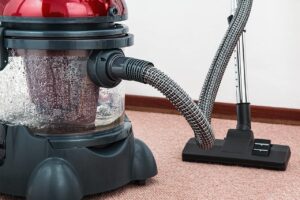
We know, it sounds basic. But the difference between a standard vacuum and one with a HEPA filter is night and day when you have animals. Standard vacuums recirculate fine particles back into the air. HEPA filters trap those particles. Pet dander is tiny. It floats around for hours after you vacuum if your machine isn’t sealed properly.
We recommend vacuuming high-traffic areas at least three times a week if you have more than one pet. And don’t just run the vacuum in a straight line. Go over the same spot from different directions. That lifts the fibers and pulls out debris that’s settled deep in the pile. It sounds tedious, but it makes a real difference in how long your carpet stays fresh between professional cleanings.
Also, empty your vacuum canister or change the bag frequently. A full vacuum loses suction fast, and it starts blowing dust back out. We’ve seen people vacuum for twenty minutes and actually make the air quality worse because their machine was clogged.
Humidity Makes Everything Worse
Queens has humid summers, and if you live in a basement apartment or a ground-floor unit, you know exactly what we’re talking about. Moisture in the air gets trapped in fabrics and creates a breeding ground for bacteria. That’s why pet odors often get stronger in the summer, even if your animals aren’t doing anything different.
A dehumidifier in the rooms where your pets spend the most time can help. It won’t eliminate odors on its own, but it makes the environment less hospitable for the bacteria that cause them. We’ve had customers in Jackson Heights who bought a dehumidifier and noticed their carpet smelled better within a week. It’s not a miracle cure, but it’s a cheap piece of the puzzle that most people overlook.
When DIY Isn’t Enough
There’s a point where no amount of scrubbing, spraying, or vacuuming is going to fix the problem. If you’ve been fighting the same smell for months, or if you’ve tried three different brands of enzymatic cleaner and nothing changed, it’s time to call in a professional. And we’re not just saying that because we’re in the business. We’ve seen too many people waste money on rental carpet cleaners from the grocery store that do more harm than good.
Those rental machines don’t get hot enough to kill bacteria, and they don’t extract enough water. They leave your carpet damp for days, which is exactly what mold and bacteria need to thrive. You end up with a carpet that smells worse than when you started, plus the risk of mold growth underneath.
Professional hot water extraction, done with truck-mounted equipment, gets the water hot enough to sanitize and pulls out enough moisture that your carpet dries in a few hours. It’s not cheap, but it’s cheaper than replacing all your flooring. For homes with serious pet odor issues, we usually recommend a deep clean every six months instead of the standard yearly schedule.
If you’re in Queens and you’ve tried everything else, Queens Carpets Cleaning can do a full assessment and tell you whether your carpets can be saved or if it’s time to replace them. We’ve seen it all, from minor stains to full-on biohazard situations, and we’ll give you an honest answer.
What About Hard Floors?
Not everyone has carpet, but pet odors can still get into hard floors. Grout lines in tile, gaps in hardwood, and even the edges of laminate flooring can trap urine and dander. If your dog has been peeing on the same spot of tile for years, the grout is probably saturated. Sealing grout helps, but if it’s already stained, you might need to replace that section.
Hardwood is even trickier. Urine can darken the wood and create a permanent stain. Sometimes sanding and refinishing works, but if the urine has soaked through to the subfloor, you’re looking at a bigger job. We’ve seen people spend thousands refinishing floors only to have the smell come back because the subfloor was never treated.
The Litter Box Problem
Cat owners have a unique challenge. Litter boxes are concentrated sources of ammonia, and they can make an entire floor of a house smell if they’re not managed properly. The mistake we see most often is people putting the litter box in a small, enclosed space like a bathroom or a closet. That concentrates the smell and makes it harder to control.
Put the litter box in a well-ventilated area. If that’s not possible, use a litter box with a carbon filter and scoop it at least twice a day. Once a day isn’t enough if you have multiple cats. And change the litter completely every week, not just top it off. The bottom of the box accumulates bacteria over time that no amount of scooping will remove.
How Often Should You Really Clean?
There’s no one-size-fits-all answer, but here’s a rough guide based on what we’ve seen work for actual customers.
| Situation | Vacuuming | Spot Cleaning | Professional Deep Clean |
|---|---|---|---|
| One cat, no carpet | 2x per week | As needed | Every 12–18 months |
| One dog, carpeted home | 3x per week | Weekly | Every 6–12 months |
| Two or more pets | 4–5x per week | 2–3x per week | Every 6 months |
| Senior or incontinent pet | Daily | Daily | Every 3–4 months |
This isn’t a strict rule. If your pet is healthy and doesn’t have accidents, you can stretch the timeline. But if you’re noticing smells between cleanings, you’re probably overdue.
When It’s Time to Replace
Sometimes you just have to admit defeat. If a carpet is more than ten years old and has been through multiple pets, the padding is likely beyond saving. Replacing the carpet and padding is often cheaper than trying to clean something that’s past its useful life. We’ve had customers spend hundreds of dollars on repeated professional cleanings for carpets that should have been replaced years ago. It’s a tough conversation to have, but it’s the honest one.
If you’re renting, you might not have that option. In that case, focus on area rugs that you can wash or replace, and use a high-quality carpet pad underneath. It won’t solve the problem entirely, but it gives you a layer of protection.
A Final Thought
Keeping a home fresh with animals isn’t about perfection. It’s about consistency. The people who have the cleanest homes aren’t the ones with the most expensive cleaners or the fanciest vacuums. They’re the ones who stay on top of the small stuff before it becomes a big problem. Spot clean accidents immediately. Vacuum more than you think you need to. And don’t be afraid to call for backup when you’re in over your head.
Your home should smell like you and your family, not like a zoo. With a little effort and the right approach, it’s completely doable.
People Also Ask
Keeping your home smelling fresh with pets requires a multi-layered approach that targets both airborne odors and the surfaces where they linger. Start by washing your pet’s bedding weekly in hot water with a pet-safe enzymatic detergent. Vacuum at least twice a week using a vacuum with a HEPA filter to capture dander and hair, and don't forget to clean upholstery and curtains. For hard floors, a damp mop with a mild vinegar solution neutralizes odors effectively. Baking soda is your best friend; sprinkle it liberally on carpets, let it sit for 15 minutes, then vacuum thoroughly. For deep-set smells trapped in fibers, a professional steam cleaning is invaluable. At Queens Carpets Cleaning, we recommend scheduling a deep clean every 3-6 months to eliminate bacteria and odors that regular cleaning misses. Finally, ensure proper ventilation by opening windows daily, and consider an air purifier with a carbon filter to continuously scrub the air.
The hardest smells to eliminate from a home are typically those caused by biological or chemical saturation. Pet urine, especially when it has soaked into padding or subfloors, is notoriously difficult because the uric acid crystals re-hydrate with humidity, reactivating the odor. Similarly, smoke damage from cigarettes or fire permeates porous surfaces like drywall and insulation, making it nearly impossible to remove with standard cleaning. Lingering odors from mold or mildew also fall into this category, as they indicate an active moisture source that must be resolved first. For these stubborn cases, professional intervention is often required. At Queens Carpets Cleaning, we use hot water extraction and specialized enzyme treatments to break down the molecular bonds of these odors, offering a far more effective solution than surface-level sprays. Without addressing the source, these smells can persist for years.
Keeping a home clean with pets requires a consistent strategy that tackles hair, dander, and odors at the source. Start by establishing a weekly grooming routine; brushing your pet outside reduces loose fur from settling into fabrics. Vacuum high-traffic zones daily with a HEPA-filter model, and use a rubber squeegee on carpets to lift embedded hair before washing. Wash pet bedding weekly in hot water to control allergens. For hard floors, a microfiber mop with a pet-safe cleaner prevents sticky paw prints. Invest in washable, slip-resistant rugs for entryways to trap dirt. To manage shedding seasons, consider a professional deep clean twice a year. For a structured approach, our internal article titled 'Home Cleaning Schedules For Light, Moderate, And Heavy Traffic' provides a tailored timeline. At Queens Carpets Cleaning, we often recommend this framework to pet owners to balance hygiene with daily life.
To effectively kill pet odors, you must address the source, not just mask it. Start by identifying all soiled areas, including carpets, upholstery, and baseboards. Enzymatic cleaners are the industry standard, as they break down the uric acid and proteins in urine and feces that cause lingering smells. For severe cases, a hot water extraction (steam cleaning) is essential, as it flushes out deeply embedded residues from padding and subfloors. After cleaning, use an ozone generator or a baking soda treatment to neutralize residual odors in the air. At Queens Carpets Cleaning, we recommend a professional deep clean every six months to prevent buildup. Always test any product on a hidden area first, and ensure proper ventilation to speed up drying and prevent mold growth.