You’ve probably got a stain in your living room right now that you’ve been staring at for weeks, wondering if it’s finally time to call someone. Or maybe your hallway carpet feels a little rough underfoot, and you’re not sure if that’s just normal wear or a sign you’re doing something wrong. Either way, you’re not alone. Most homeowners we talk to in Queens are surprised to learn that the biggest threat to their carpet isn’t the dog, the kids, or the muddy boots—it’s the way they’ve been cleaning it. Or, more often, the way they’ve been avoiding cleaning it.
The truth is, a well-maintained carpet can easily last 15 to 20 years. A neglected one starts looking tired after five. And the difference usually comes down to a handful of practical habits, a few smart purchases, and knowing when to step back and let a professional handle it. We’ve pulled together what we’ve learned from thousands of homes across Queens—from prewar co-ops in Forest Hills to new constructions in Long Island City—to give you a real roadmap.
Key Takeaways
- Vacuuming more frequently is the single most effective thing you can do, but most people use the wrong technique.
- Spot cleaning with the wrong product can permanently damage carpet fibers, and we see this mistake every week.
- Professional steam cleaning every 12 to 18 months isn’t optional if you want longevity.
- The climate in New York—especially humidity and seasonal mud—creates specific challenges that require a different approach than what generic online guides suggest.
The One Habit That Changes Everything
Let’s start with the most boring, unsexy piece of advice: vacuum more. We know, you’ve heard this a hundred times. But here’s the thing—most people vacuum too fast, with the wrong settings, and they never go over the same spot twice. That’s not cleaning. That’s just moving dirt around.
We’ve seen carpets in Queens apartments that looked fine on the surface, but when we ran our extraction machine, the water came out black. That’s years of embedded grit that a quick pass with a vacuum never touched. That grit acts like sandpaper. Every time you walk across the carpet, those tiny particles grind against the fibers, slowly cutting them down. Over time, you get that flattened, matted look in high-traffic areas that no amount of cleaning can reverse.
Slow Down and Overlap
The fix is simple. Set your vacuum to the highest pile setting (even if you think it’s wrong), and push it forward slowly. Then pull it back even slower. Overlap each pass by about 50 percent. Do a second pass in a perpendicular direction. This takes maybe three extra minutes per room, but it doubles the amount of dirt you remove. We’ve tested this in our own homes and in client homes. It works.
Why Most Spot Cleaners Are Making Things Worse
Here’s something that happens at least once a week in our Queens service area: a customer calls us, panicked, because they tried to remove a red wine stain with a store-bought spray, and now the spot is bigger, lighter in the center, and surrounded by a dark ring. That’s not a stain anymore. That’s a chemical burn.
Most over-the-counter carpet cleaners are too aggressive. They contain bleach or high-pH detergents that strip the color out of synthetic fibers or, worse, damage the backing. And the instructions on the bottle usually tell you to scrub. Scrubbing is the enemy. It spreads the stain, pushes it deeper, and frays the fibers.
The Blot Method, Not the Scrub Method
If you spill something, grab a clean white cloth (not a colored towel—the dye can transfer). Blot firmly from the outside of the spill toward the center. Don’t rub. Keep blotting with a dry section of the cloth until no more liquid transfers. Then use a solution of one part white vinegar to three parts water. Blot again. Rinse with plain water. Blot dry.
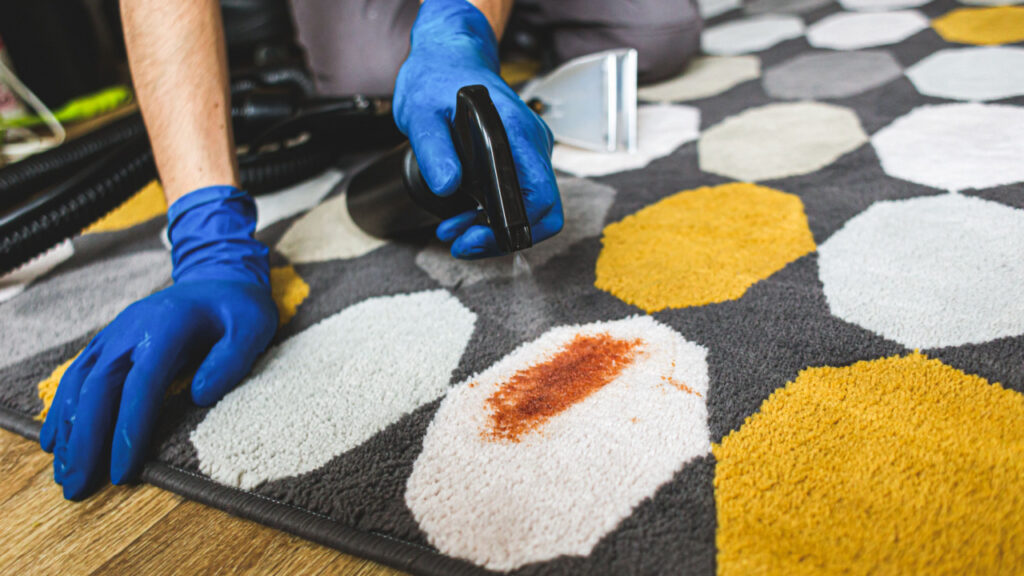
We’ve seen this method save carpets that looked beyond hope. And if the stain has already set? Call a professional. There are enzyme-based spot treatments and hot-water extraction tools that can lift set stains without damaging the fibers. But the DIY stuff from the grocery store? Toss it.
The Real Cost of Skipping Professional Cleaning
We get it. Professional carpet cleaning feels like an unnecessary expense. You vacuum. You spot clean. The carpet looks fine. Why pay someone two hundred bucks to spray water on it?
Because that “water” is actually hot water extraction at 200 degrees, combined with a pH-balanced detergent that’s formulated to dissolve the oils and sticky residues that vacuuming can’t touch. And the machine we use has enough suction to pull that dirty water out, along with the dirt. Consumer-grade rental machines don’t have that kind of suction. They leave moisture behind, which leads to mold growth, musty smells, and faster re-soiling. We’ve pulled up carpet in basements in Astoria where the padding was literally damp from a rental machine used six months earlier.
What a Professional Visit Actually Does
A proper cleaning session does more than just remove visible dirt. It resets the carpet’s texture. It removes allergens that accumulate deep in the pile. It extends the life of the fibers by removing the abrasive particles that cause wear. And it protects your warranty—most carpet manufacturers require professional cleaning every 12 to 18 months to keep the warranty valid. That’s not a marketing gimmick. That’s in the fine print.
The Queens Reality: Humidity, Mud, and Old Buildings
Living in Queens means dealing with a specific set of conditions that carpet owners in, say, Arizona don’t think about. We have humid summers that trap moisture in carpets, especially in older buildings with poor ventilation. We have winters where salt, sand, and slush get tracked in from the street. And we have a lot of prewar buildings with radiators that leak steam, creating microclimates inside closets and corners where mold thrives.
If you live in a neighborhood like Jackson Heights or Sunnyside, where many buildings are from the 1920s and 1930s, you’ve probably noticed that carpets near exterior doors or radiators tend to discolor faster. That’s not just dirt. That’s a combination of moisture, heat, and airborne particulates that accelerate degradation.
A Simple Seasonal Strategy
Put a good-quality doormat outside every exterior door and another one just inside. The two-mat system catches about 80 percent of the grit before it hits the carpet. In winter, change the indoor mat weekly. In summer, vacuum the mats themselves every few days. This one change alone can double the time between professional cleanings. We’ve seen it in dozens of homes across Queens Carpets Cleaning’s service area.
When DIY Makes Sense and When It Doesn’t
There’s a place for DIY carpet care. Spot cleaning fresh spills, light vacuuming, and using a carpet rake to lift matted fibers are all smart moves. But there’s a line.
If your carpet is more than five years old and has never been professionally cleaned, do not attempt a deep clean with a rental machine. You will almost certainly leave too much moisture in the padding, which can cause delamination—where the carpet separates from its backing. At that point, the only fix is replacement.
Also, if you have wool carpet, be extremely careful. Wool is delicate. High-pH cleaners can shrink it. Hot water can felt it. We’ve seen well-meaning homeowners turn a beautiful wool carpet into a stiff, matted mess because they used a product labeled “safe for all carpets.” It wasn’t.
When to Call a Pro
| Situation | DIY | Professional |
|---|---|---|
| Fresh spill (wine, coffee, juice) | Yes, blot immediately | Only if stain sets |
| Routine maintenance (every 6 months) | Vacuum only | Steam clean every 12–18 months |
| High-traffic area matting | Carpet rake | Hot water extraction |
| Pet urine (old, set-in stains) | No | Enzyme treatment + extraction |
| Wool or silk carpet | No | Professional only |
| Mold or mildew smell | No | Immediate professional assessment |
| Whole-house cleaning | No | Yes, for consistent results |
This table isn’t meant to scare you. It’s based on what we’ve seen work and fail. The cost of a professional cleaning is almost always less than the cost of replacing a carpet that was damaged by improper care.
The Myth of “Carpet Protection” Sprays
You’ve probably seen those aerosol cans that claim to create a protective barrier against stains. In theory, they work by coating the fibers with a fluorochemical that repels liquids. In practice, we’ve found that most of these sprays cause more problems than they solve.
They can make the carpet feel stiff. They sometimes cause discoloration when they react with the existing stain treatments from the factory. And they wear off unevenly, leaving some spots protected and others vulnerable. The better approach is to have a professional apply a liquid protectant during a cleaning, when the carpet is already wet and the fibers are open to absorption. That way, the protectant bonds evenly.
A Word on Traffic Patterns
We’ve been in homes where the carpet in the hallway looks brand new except for a narrow strip down the center where everyone walks. That’s a traffic pattern, and it’s not a cleaning issue—it’s a mechanical wear issue. No amount of cleaning will fix it.
The only real solution is prevention. Rearrange your furniture every year or two to shift the traffic. Use runners in high-traffic hallways. And if you have a long, narrow hallway, consider installing a carpet runner that can be replaced separately when it wears out, instead of wall-to-wall carpet that has to be replaced all at once.
The Bottom Line on Carpet Longevity
Carpets are durable, but they’re not indestructible. They respond well to consistent, gentle care and poorly to neglect or harsh chemicals. The homeowners we see who get the most life out of their carpets are the ones who vacuum slowly, blot spills without panic, and schedule professional cleanings like they schedule their annual furnace checkup—on a calendar, not when something goes wrong.
If you’re in Queens and you’ve been putting off a deep clean, or if you’ve got a stain you’ve tried everything on, give us a call at Queens Carpets Cleaning. We’ve seen it all, and we can usually fix it. But even if you go with another company, the advice in this article will serve you well. Take care of the carpet, and it’ll take care of your home for a long, long time.
People Also Ask
Carpet is absolutely not outdated in 2026, but its role has evolved. Modern buyers are moving away from wall-to-wall shag in favor of low-pile, textured, and patterned options that offer both comfort and a contemporary aesthetic. The key is choosing high-quality, stain-resistant fibers like nylon or triexta, which address the old complaints about maintenance. In fact, carpet remains a top choice for bedrooms and cozy living areas because of its acoustic benefits and warmth underfoot. For professional upkeep, a deep steam cleaning from Queens Carpets Cleaning can keep modern carpets looking sharp and extend their lifespan significantly. Ultimately, it is about selecting the right style for your space, not abandoning the material itself.
Carpeting can last 40 years, but this is the absolute exception rather than the rule. Most quality carpets have a realistic lifespan of 10 to 15 years under normal household conditions. A 40-year lifespan requires extraordinary circumstances: premium materials like wool, pristine installation, and meticulous, ongoing care. However, even if the fibers remain intact, the backing and padding often degrade long before that. Furthermore, wear patterns, fading, and soil accumulation deep within the pile will make the carpet look aged well before four decades pass. For most homeowners, replacing carpet at the 15-year mark is more cost-effective than attempting to preserve it for 40. At Queens Carpets Cleaning, we often see carpets that are structurally sound but visually exhausted, proving that longevity does not equal freshness. Regular professional deep cleaning can extend life, but it cannot reverse the inevitable aging process.
The five core principles of carpet cleaning focus on extraction, not just surface wetting. First, thorough vacuuming removes dry soil before any liquid is applied, preventing it from turning into mud. Second, proper pre-treatment with the correct pH-balanced solution loosens embedded oils and dirt. Third, agitation is critical; this mechanical action helps the cleaning agent break the bond between soil and carpet fibers. Fourth, hot water extraction (steam cleaning) is the industry standard for deep rinsing, as it flushes away the dissolved contaminants. Finally, rapid drying is essential to prevent mold growth and re-soiling. For a detailed breakdown of these methods and more, you can refer to our internal guide, Frequently Asked Carpet-Cleaning Questions Answered In Plain Language. At Queens Carpets Cleaning, we apply these principles with professional-grade equipment to ensure your carpets are not just damp, but genuinely clean.
The best time to have your carpets professionally cleaned is during the late spring or early fall. These transitional seasons offer moderate temperatures, which allow carpets to dry faster and more evenly without the extreme humidity of summer or the freezing cold of winter. Additionally, these periods often follow high-traffic holidays or precede the heavy use of winter, making it ideal for removing accumulated allergens like pollen and dust. For a thorough schedule, aim for a deep clean at least once every 12 to 18 months, or more often if you have pets or children. At Queens Carpets Cleaning, we recommend planning your service during these milder months to maximize drying efficiency. For a complete seasonal strategy, please refer to our internal resource, The Definitive Manual For Achieving A Healthier Home Through Carpet Hygiene, which outlines year-round maintenance tips.