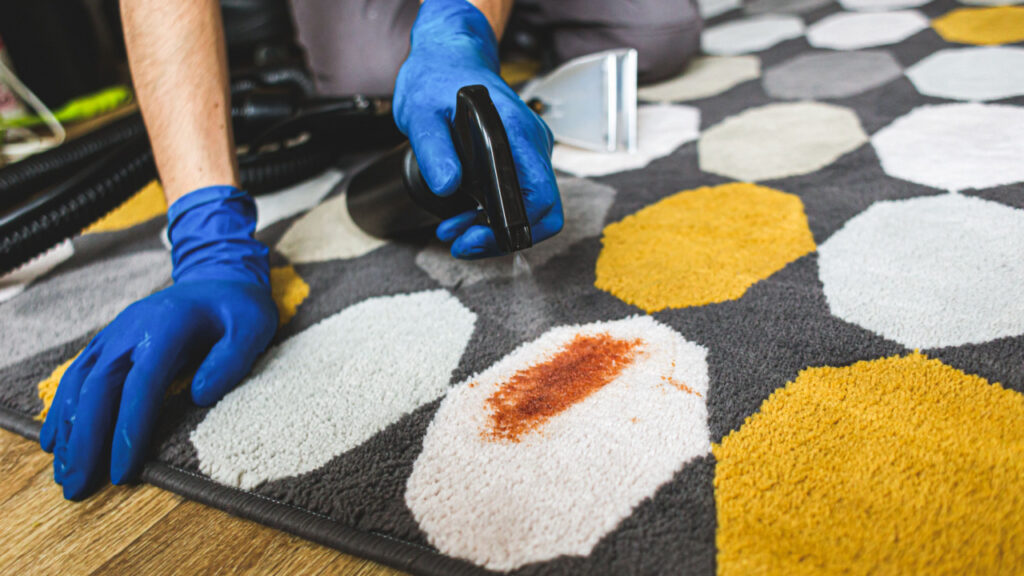
Let’s be honest for a second. We’ve all been there. We stare at our once-beautiful carpet, now adorned with a mysterious stain that looks like a modern art project gone wrong, and we think, “How hard can it really be to clean this myself?” Spoiler alert: usually harder than we think. And when it comes to our precious rugs—that silk rug from our grandmother or the Persian rug we saved for—the stakes feel even higher. That’s why we’re having this chat today. We’re going to pull back the curtain on professional carpet cleaning service, bust some myths, and maybe save you from a DIY disaster. Because in our years running Queens Carpets Cleaning, we’ve seen it all, from the triumphant to the… well, let’s just call them “learning experiences.”
What You’re Really Paying For With a Pro
When we search “carpet cleaners near me” and see a list of prices, it’s tempting to just pick the lowest cost. I get it, we all want an affordable solution. But here’s the thing: the price isn’t just for a machine and some soap. It’s for a whole lot of “oh, we didn’t even think of that.”
Think of it like this. You wouldn’t use dish soap on your favorite wool sweater, right? (If you would, we need to have a different talk). The same goes for your floors. A wool rug needs completely different care than a viscose rug, which is notoriously delicate and can literally dissolve if treated wrong—no joke, we call them “the divas of the rug world.” A true oriental rug cleaner knows this in their sleep.
So, what’s in the cost?
- The Right Tools & Solutions: We’re not talking about a rental machine from the grocery store. We use industrial-grade equipment that extracts far more water and dirt, drying your carpets faster and preventing mold.
- The Knowledge: Is that a cotton rug or a blend? Is the stain from wine, ink, or a pet? This isn’t trivia; it’s the blueprint for cleaning it correctly without causing damage.
- The Time & Labor You Save: Let’s face it, our weekends are precious. Renting a machine, moving furniture, cleaning, and waiting hours for things to dry is a whole-day ordeal. A pro team handles the heavy lifting.
The Rug Material Breakdown: Why One Size Fits None
This is where DIY efforts often go to die. Using a standard carpet steam cleaning method on every textile is like using a hammer for every home repair—sometimes you need a scalpel.
The Delicate Darlings: Silk & Viscose
Treat these with the reverence they deserve. Silk rugs are investments. They require pH-balanced, gentle cleaning agents and minimal agitation. Viscose rugs (also called art silk) are even trickier; they lose all strength when wet and can permanently bruise. For these, we always recommend a specialized rug cleaning service that handles them off-site. It’s the only safe way. FYI, this is a service we’re particularly proud of at Queens Carpets Cleaning for our clients in Forest Hills and Astoria with heirloom pieces.
The Sturdy Standbys: Wool & Cotton
Wool rugs are naturally resilient and stain-resistant, but they can felt and shrink with harsh chemicals or extreme heat. They need a cool-water process. Cotton rugs are more forgiving—often you can use a bit more power—but colors can bleed if you’re not careful. Knowing the difference is key.
The Hand-Knotted Heroes: Persian & Oriental
These aren’t just floor coverings; they’re art. The dyes, the knotting, the foundation—all of it requires an expert eye. A proper clean preserves the wool’s luster and the vibrancy of the vegetable dyes. This is never a rush job, and honestly, it’s one of our favorite parts of the business.
| Rug Type | Biggest Risk | Professional Approach | DIY Danger Zone |
|---|---|---|---|
| Silk Rug | Color run, fiber damage | Hand-cleaning, pH-neutral agents, controlled drying | Using any store-bought cleaner, over-wetting |
| Viscose Rug | Permanent bruising, disintegration | Ultra-gentle immersion cleaning, no agitation | Using ANY water-based cleaner yourself |
| Wool Rug | Shrinking, felting, texture loss | Cool water extraction, wool-specific detergents | Using hot water or harsh chemicals |
| Persian/Oriental | Dye bleeding, foundation damage | Hand inspection, specialized cleaning baths | Using all-over steam cleaning methods |
It’s Not Just Carpets: The Whole Ecosystem
Here’s a little secret a great carpet cleaning company won’t tell you: if we’re cleaning your carpets but not your furniture, we’re only solving half the problem. Dirt and oils migrate from your couch to your carpet and back again. It’s a vicious cycle!
That’s why a full-service approach makes so much sense. Upholstery cleaning and a dedicated couch cleaning service use similar expertise but different tools and techniques to match the fabric. And let’s not forget the office carpet cleaning needs. A commercial carpet cleaning service isn’t just a bigger job; it’s about scheduling during off-hours, using faster-drying methods, and often dealing with different types of soiling. Whether it’s a small Queens apartment or a large Astoria office lobby, the principle is the same: use the right method for the specific material and situation.
When to Call the Pros (And When You Might Roll the Dice)
IMO, you should always call a pro for delicate rugs (silk, viscose, antique Persian) and for large, deep-cleaning jobs. The risk is just too high. But for a small, fresh spill on a synthetic carpet? You can probably tackle that with a bit of blotting and the right spot cleaner.
The real pro-call triggers are:
- Persistent odors (especially pet-related)
- Large or set-in stains
- Noticeable matting or discoloration
- Before a major event or after one (we do a lot of post-renovation cleans!)
- Just plain old time. Your time has value, too.
Ever wondered why your freshly DIY-cleaned carpet sometimes gets dirtier faster? It’s often because residue left behind attracts soil like a magnet. A pro clean removes the residue, not just the dirt.
Your Top Carpet Cleaning Questions, Answered
Q: How often should I really get my carpets professionally cleaned?
A: The general rule is every 12-18 months for an average household. But if you have pets, kids, or just a high-traffic home (or a Queens apartment that sees a lot of action), once a year is a smart investment to preserve your carpets’ life and look.
Q: Will cleaning my carpets make them wear out faster?
A: Absolutely not—if done correctly. Proper cleaning removes abrasive grit that actually cuts carpet fibers over time. Think of it like changing the oil in your car; it’s preventative maintenance that extends the life of your investment.
Q: How long will it take for my carpets to dry?
A: With truck-mounted or industrial extraction equipment, most carpets are walkable in a few hours and completely dry in 6-12. This is a huge advantage over rental units, which can leave things damp for a day or more. We always aim for a “fast dry” because, let’s be real, nobody wants to tiptoe around their own home.
So, where does this leave us? Hopefully, a bit more informed and a lot less likely to attack that Persian rug with a bottle of resolve. The truth is, a great carpet cleaning service is about peace of mind. It’s about knowing that the affordable price you paid actually saved you money by protecting your valuable furnishings. It’s about getting your weekend back.
And if you’re here in Queens looking for that blend of local expertise, honest advice, and real results, well, you know where to find us. At Queens Carpets Cleaning, we love turning those “modern art stains” back into beautiful, clean floors. Because a clean home isn’t just a luxury; it’s the foundation for everything else. So, what’s on your floors? 🙂
Related Articles
Queens’ Secret To Spotless Vacation Rentals
Carpet Color Restoration Techniques
Ten Common Pitfalls That Sabotage Your Carpet‑Cleaning Efforts
How Immediate Action And The Right Technique Prevent Permanent Marks
People Also Ask
To effectively remove coffee stains from commercial carpet, you must act quickly. Begin by blotting the fresh spill with a clean, dry cloth to absorb as much liquid as possible without rubbing, which can push the stain deeper. Mix a solution of one tablespoon of liquid dish soap, one tablespoon of white vinegar, and two cups of warm water. Apply this to the stain using a spray bottle, then blot again with a cloth. Rinse the area with cold water and blot dry. For stubborn, dried stains, a specialized enzyme cleaner may be necessary. For comprehensive guidance, we recommend reading our internal article titled 'Frequently Asked Carpet-Cleaning Questions Answered In Plain Language', accessible via Frequently Asked Carpet-Cleaning Questions Answered In Plain Language. At Queens Carpets Cleaning, we emphasize that professional extraction equipment is often the most reliable method for ensuring complete removal and preventing residue buildup.
Yes, it is possible to remove dried coffee stains from carpet, though the process requires patience and the right technique. For best results, begin by scraping off any excess residue with a dull knife. Mix one tablespoon of liquid dish soap with two cups of cool water. Apply this solution to the stain using a clean white cloth, blotting gently from the outer edge inward. Avoid rubbing, as this can push the stain deeper into the fibers. Rinse the area with plain water and blot dry. For stubborn, set-in stains, a solution of white vinegar and water can be effective. If the stain persists, professional help may be needed. At Queens Carpets Cleaning, we recommend reading our internal article titled Frequently Asked Carpet-Cleaning Questions Answered In Plain Language for more detailed guidance on this and other common carpet issues.
Coffee stains are not automatically permanent, but they can become so if left untreated. The key is speed and the right technique. Blot the fresh spill immediately with a clean, dry cloth to absorb the liquid, avoiding any rubbing that pushes the stain deeper. For dried stains, a solution of mild dish soap and white vinegar often works well. However, the tannins in coffee can bond with carpet fibers over time, especially if heat is applied. Professional treatment is your safest bet for stubborn marks. At Queens Carpets Cleaning, we use industrial-grade extraction that tackles deep-set discoloration without damaging the fibers. For a complete breakdown of common misconceptions, including why some stains seem impossible, refer to our internal article Eight Persistent Carpet Cleaning Myths And The Truth Behind Each. Acting fast is your best defense against a permanent mark.
Professionals typically remove coffee stains from carpets using a multi-step process that begins with blotting the fresh spill to absorb excess liquid. They then apply a specialized cleaning solution, often containing mild detergent or an enzymatic cleaner, which breaks down the organic compounds in the coffee. After allowing the solution to dwell for a few minutes, they agitate the area gently with a soft brush to lift the stain from the fibers. Finally, they rinse the spot with clean water and extract the moisture using a powerful hot water extraction machine. For stubborn, set-in stains, a more concentrated treatment may be necessary. At Queens Carpets Cleaning, we follow these industry-standard techniques to ensure thorough stain removal without damaging your carpet.
Removing coffee stains from office carpets requires prompt action to prevent a permanent mark. First, blot the fresh spill with a clean, dry cloth to absorb as much liquid as possible. Avoid rubbing, as this pushes the stain deeper into the fibers. Next, mix a solution of one tablespoon of liquid dish soap with two cups of cool water. Apply this gently with a sponge, working from the outside of the stain inward. Blot again with a dry cloth. For stubborn marks, a mixture of white vinegar and water can be effective. If the stain persists, professional cleaning is often the best solution. At Queens Carpets Cleaning, we recommend scheduling routine deep cleaning for high-traffic offices to maintain a fresh appearance and extend carpet life.
Yes, a mixture of vinegar and baking soda can be effective on old coffee stains, though results depend on the stain's age and carpet material. Start by blotting the area with a dry cloth to remove any residue. Sprinkle baking soda generously over the stain, then spray a solution of one part white vinegar to two parts water onto the baking soda. The fizzing reaction helps lift the stain. Let it sit for 15 minutes, then blot with a clean cloth. For stubborn stains, repeat the process. However, for deep-set or large stains, professional treatment from Queens Carpets Cleaning may be more reliable, as improper DIY methods can set the stain further. Always test on a hidden area first.
For removing coffee stains from office carpets, act quickly. Blot the spill with a clean, dry cloth to absorb as much liquid as possible without rubbing, which can push the stain deeper. Mix one tablespoon of liquid dish soap with two cups of cool water. Apply this solution to the stain using a cloth, then blot again. Rinse with cold water and blot dry. For stubborn stains, a mixture of white vinegar and water can be effective. At Queens Carpets Cleaning, we recommend testing any DIY solution on a hidden area first. For comprehensive prevention and maintenance tips tailored to high-traffic commercial spaces, refer to our internal guide Queens’ Secret To Spotless Vacation Rentals, which covers advanced techniques beyond basic spot cleaning.
Removing coffee stains from office carpets requires a prompt and careful approach. First, blot the fresh spill with a clean, dry cloth to absorb as much liquid as possible without rubbing, which can push the stain deeper. Next, sprinkle a generous amount of baking soda directly onto the damp area. Baking soda is excellent for absorbing moisture and neutralizing odors. Allow it to sit for at least 15 minutes to draw out the coffee residue, then vacuum the powder. For any remaining discoloration, mix a solution of one tablespoon of liquid dish soap with two cups of cool water. Apply this sparingly with a cloth, blotting from the edges inward. For persistent or set-in stains, professional treatment may be necessary. At Queens Carpets Cleaning, we often recommend our internal article titled Carpet Color Restoration Techniques for dealing with stubborn discolorations, as it outlines advanced methods beyond simple household remedies.